All pictures copyright reserved.
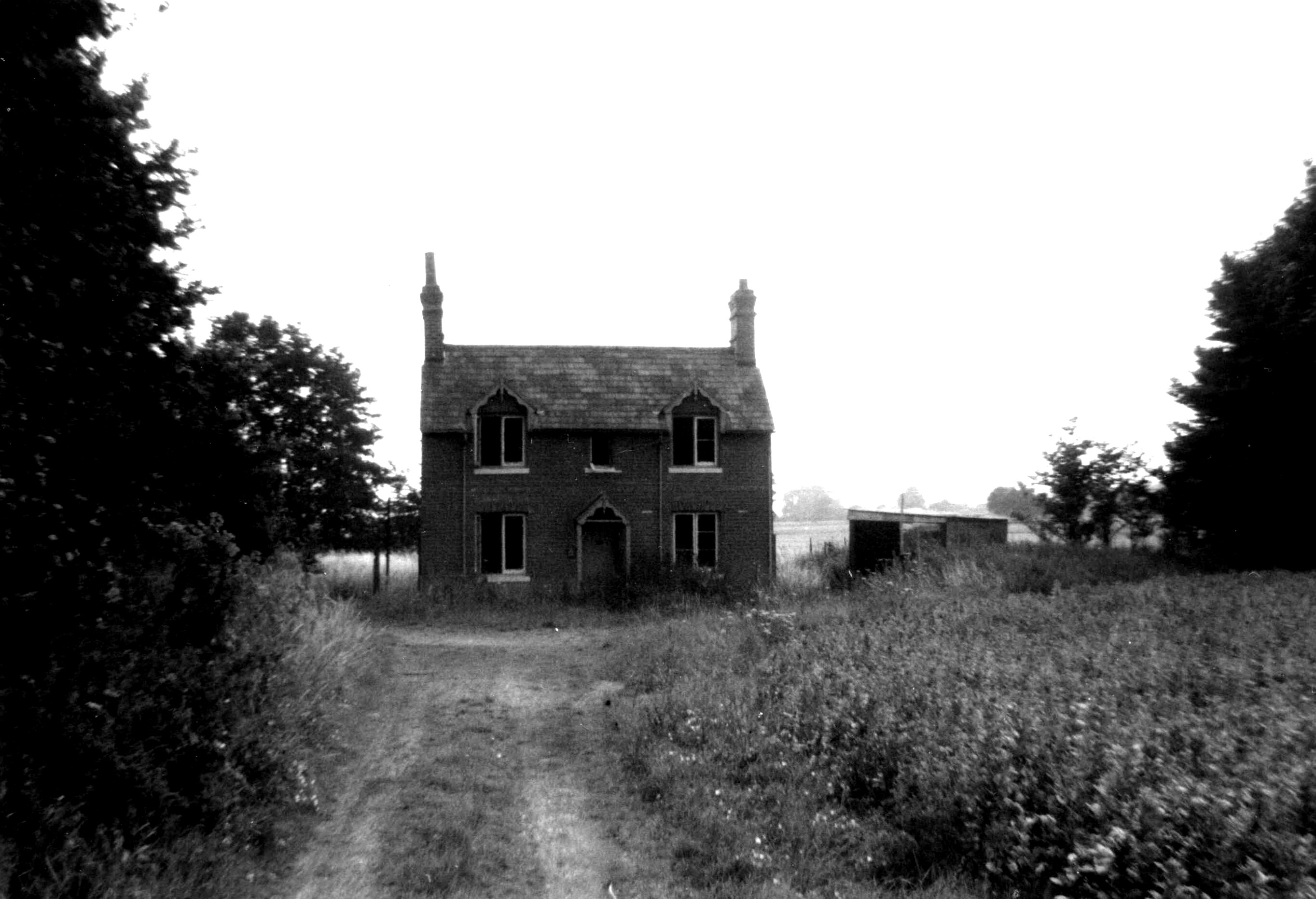
This cottage stood just on the edge of Lock Wood and backed onto the railway. It may have been empty for a long time since the war caused its evacuation maybe, but was probably a gardeners cottage for Nuneham Park. Old maps show greenhouses on the corner of the wood. This cottage had been completely wiped out when I re-visited a few years later. Lock Wood, which ran down to the side of the Thames, was the site of the riverside cottages known as Lock Cottages and the subject of numerous illustrations in older books of 19th and early 20th century. They used to stand beside a rustic bridge to an Island, but was allegedly burnt down as the result of their
miss-use by service men. When exploring down there I found the remains of the walls and a well but that's another story.
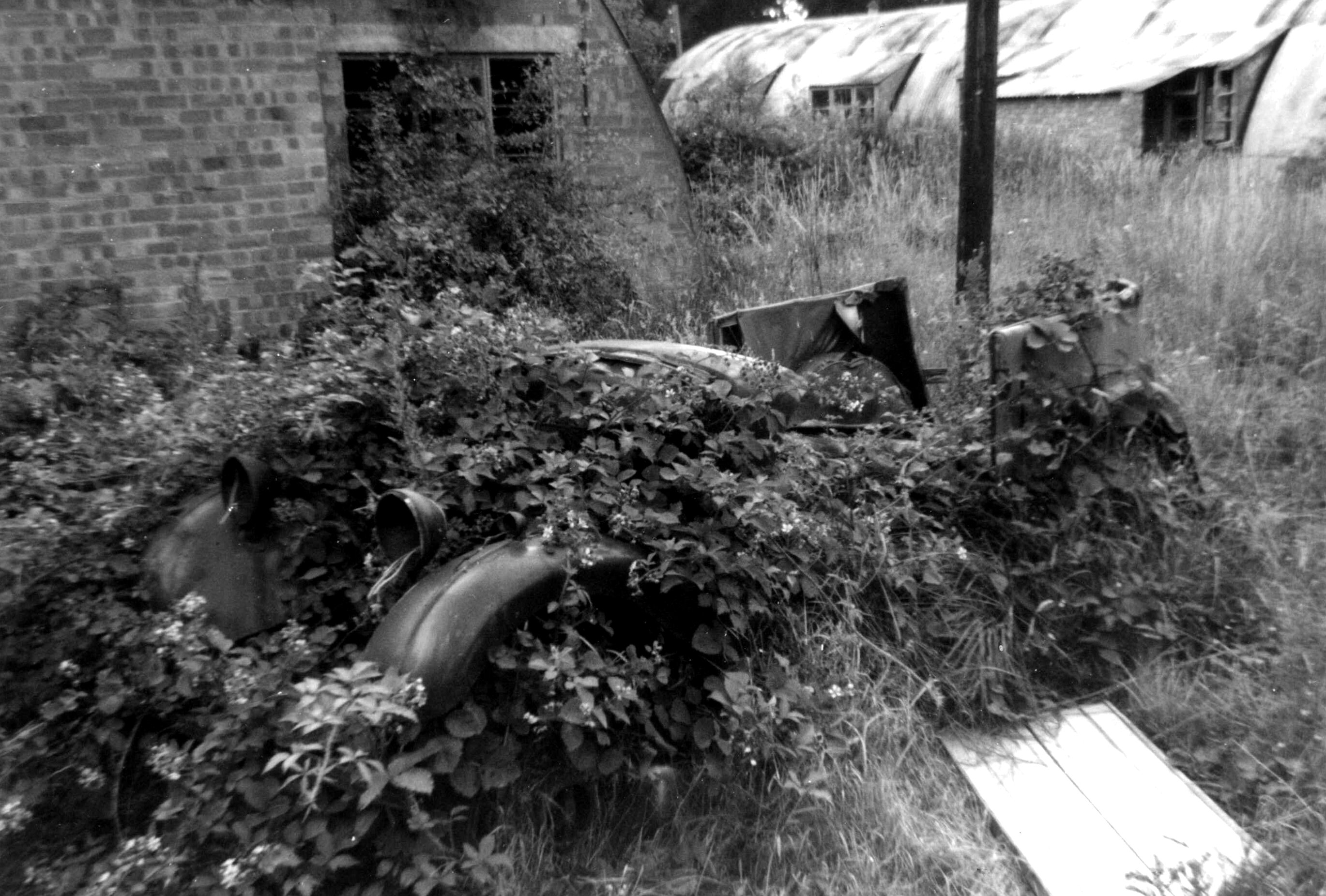
There were two encampment areas outreaching into the woods which I was most interested in. One at the north western side was built into the back of Lock Wood. The other was towards the north eastern side just before reaching Clifton Heath. Some evidence I found at the time suggested these may have been named, and that the former was called Fergus camp. Fergus seemed to have more
administrative things like offices and a theatre. I recall finding old pads of waybills, and another item addressed to the commanding officer at Fergus Camp, RNAS Culham, for the WRNS Galley. The other camp may have been more residential with barracks in Nissen huts? Parked beside one was this old car.
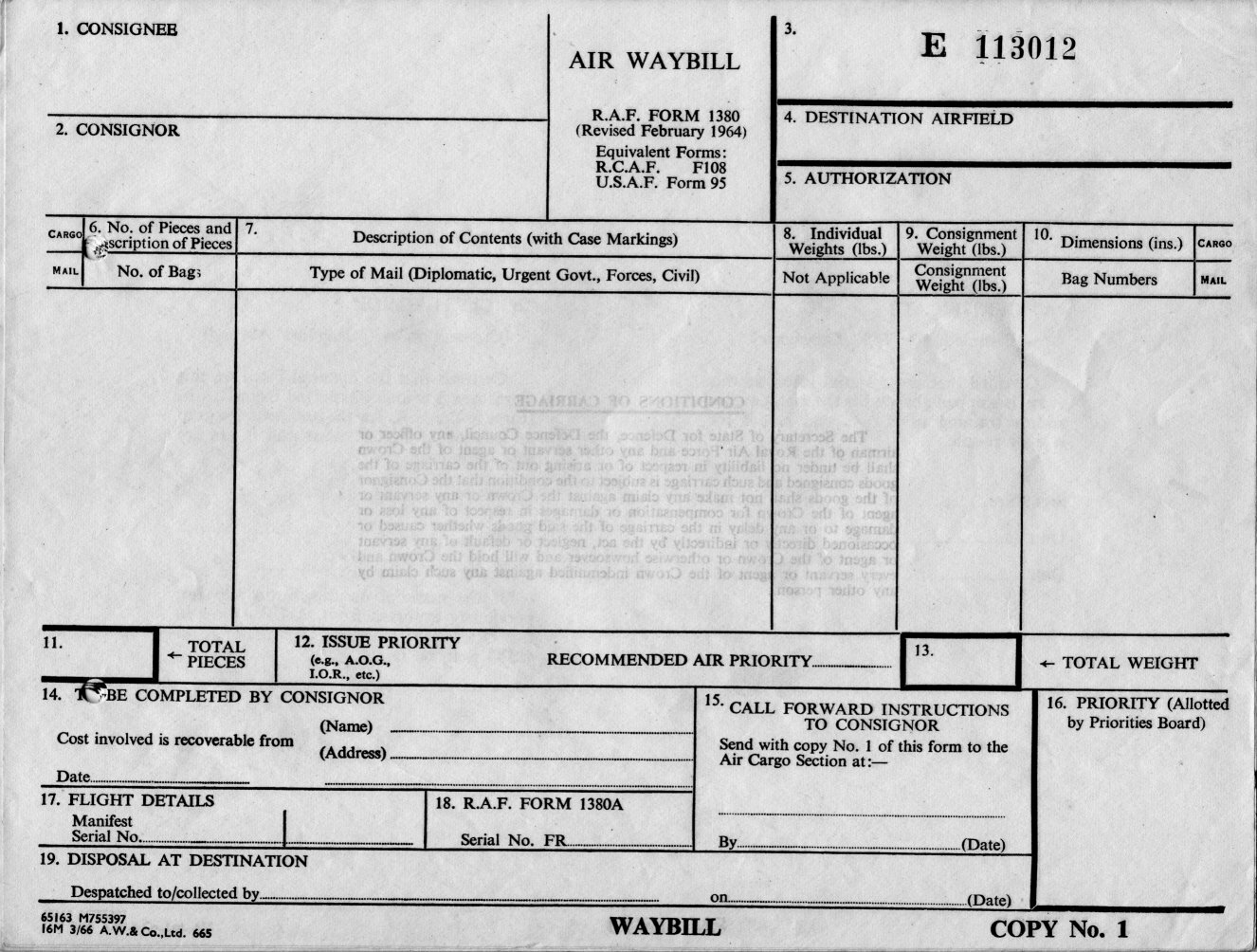
This is one of the old waybill pads I found at the first (Fergus) camp. Note the date of revision is 1964.
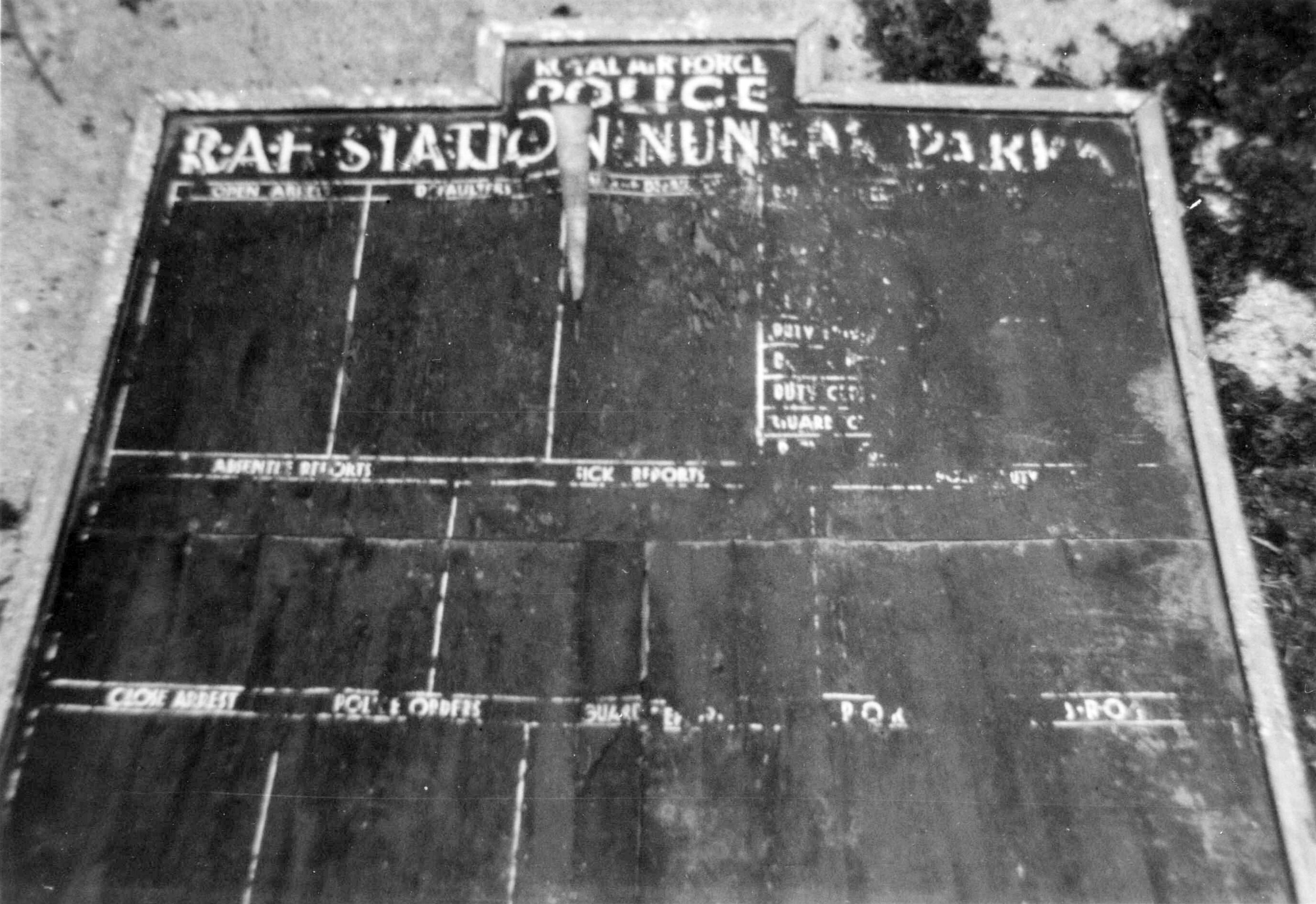
As most records refer to this as a Naval air station, the wording on this board is rather interesting. However, the Joint Air Reconnaissance Intelligence Centre was at the same time based at the mansion house next door and known as RAF Nuneham Park. Maybe the RAF provided the policing for the airfield too. This was found, as far as I recall, by a police office on the north eastern campsite. The spelling of Nuneham seems a bit suspect.
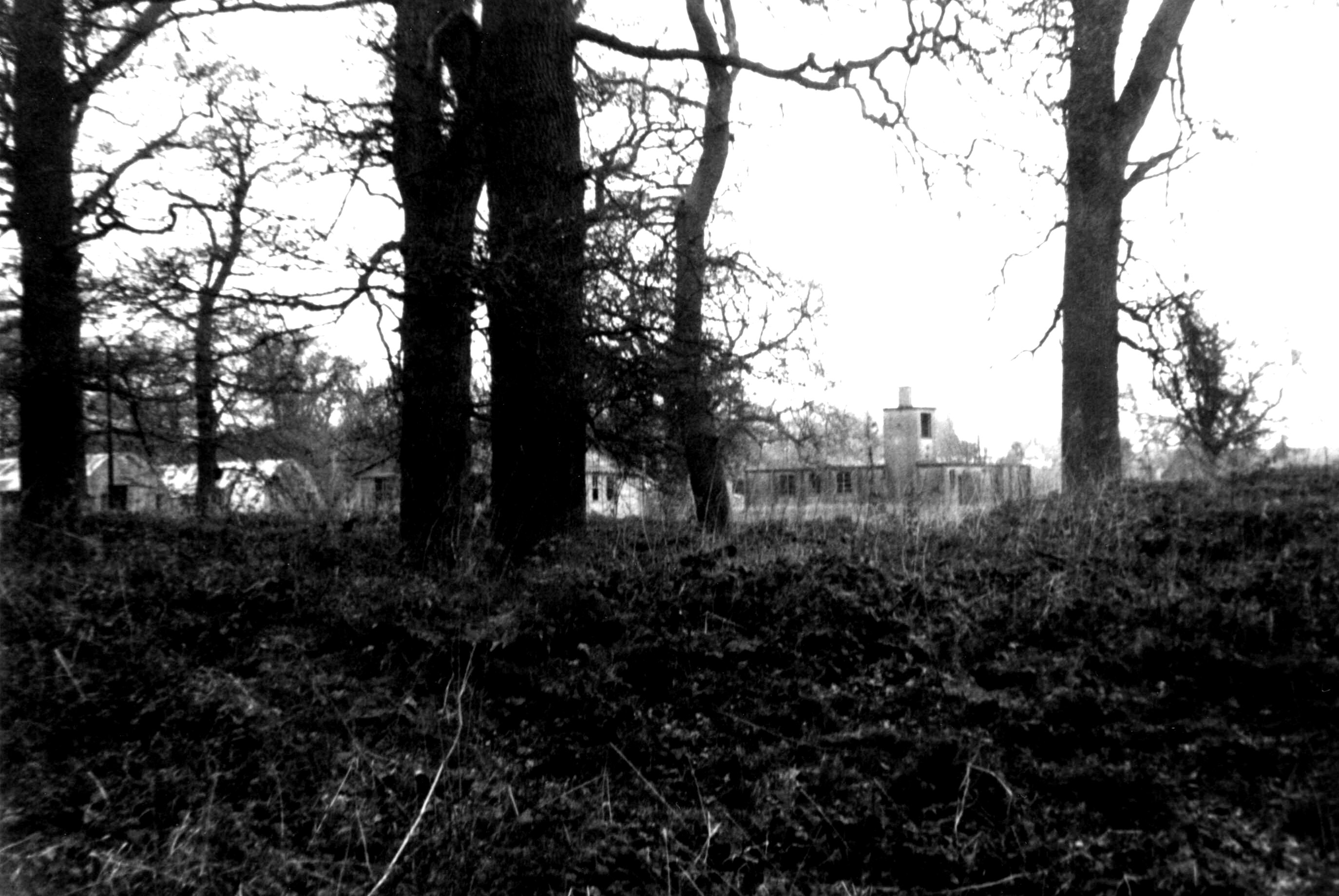
General view of the north eastern camp.
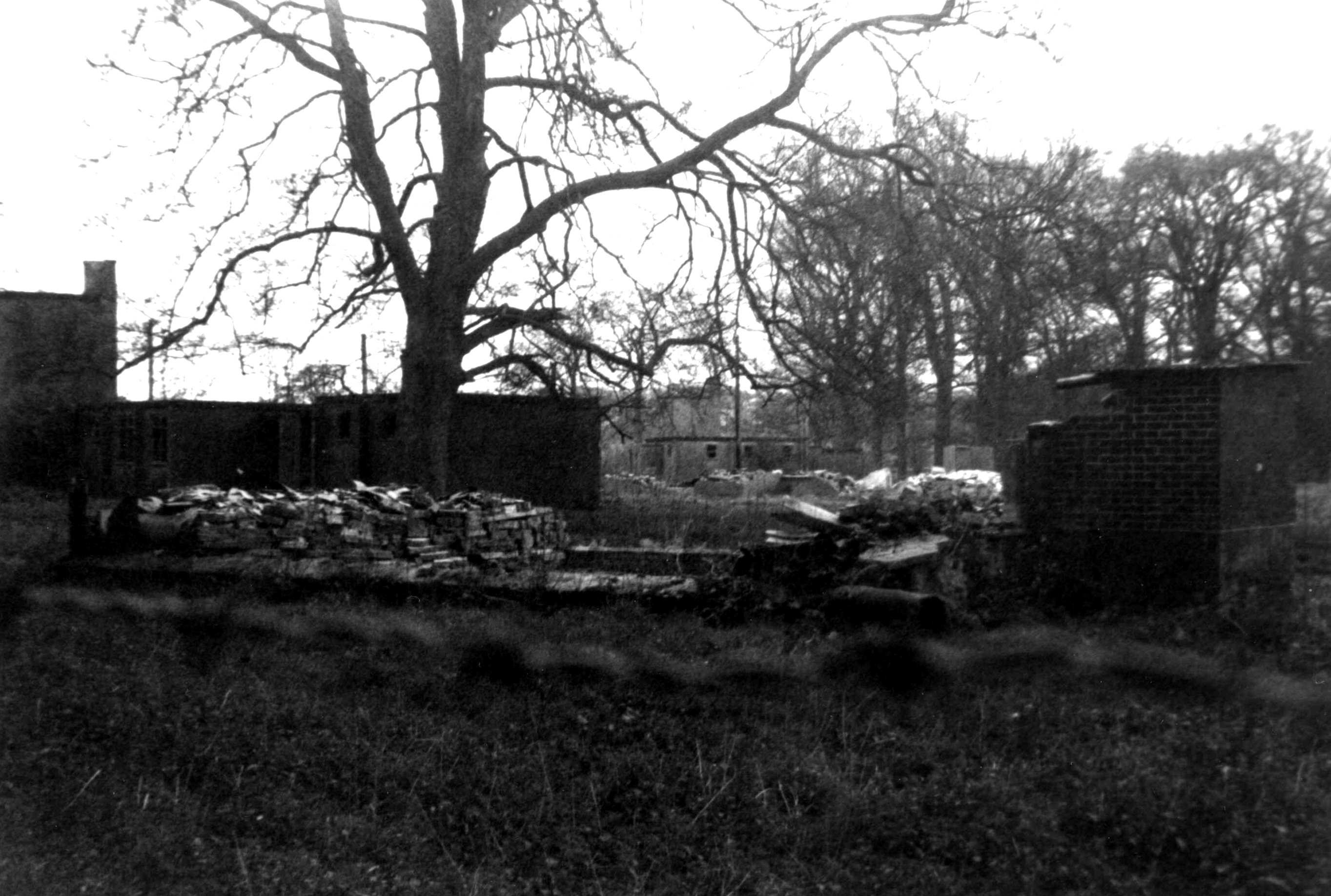
More of the north eastern camp. At this time someone had started to demolish the occasional building, but not in any systematic way,
which seemed strange. Maybe some yielded useful materials more than others.
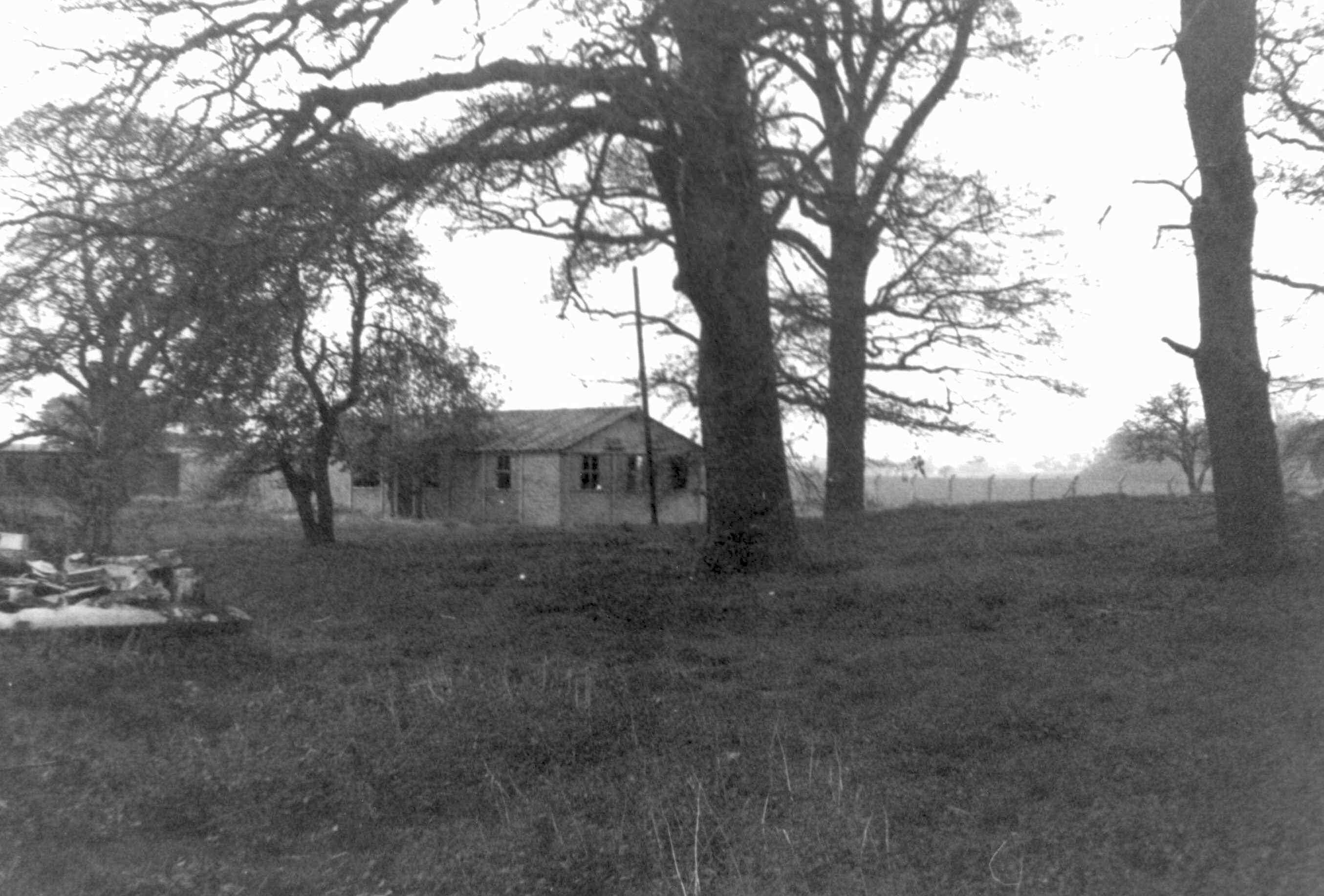
More of the north eastern camp
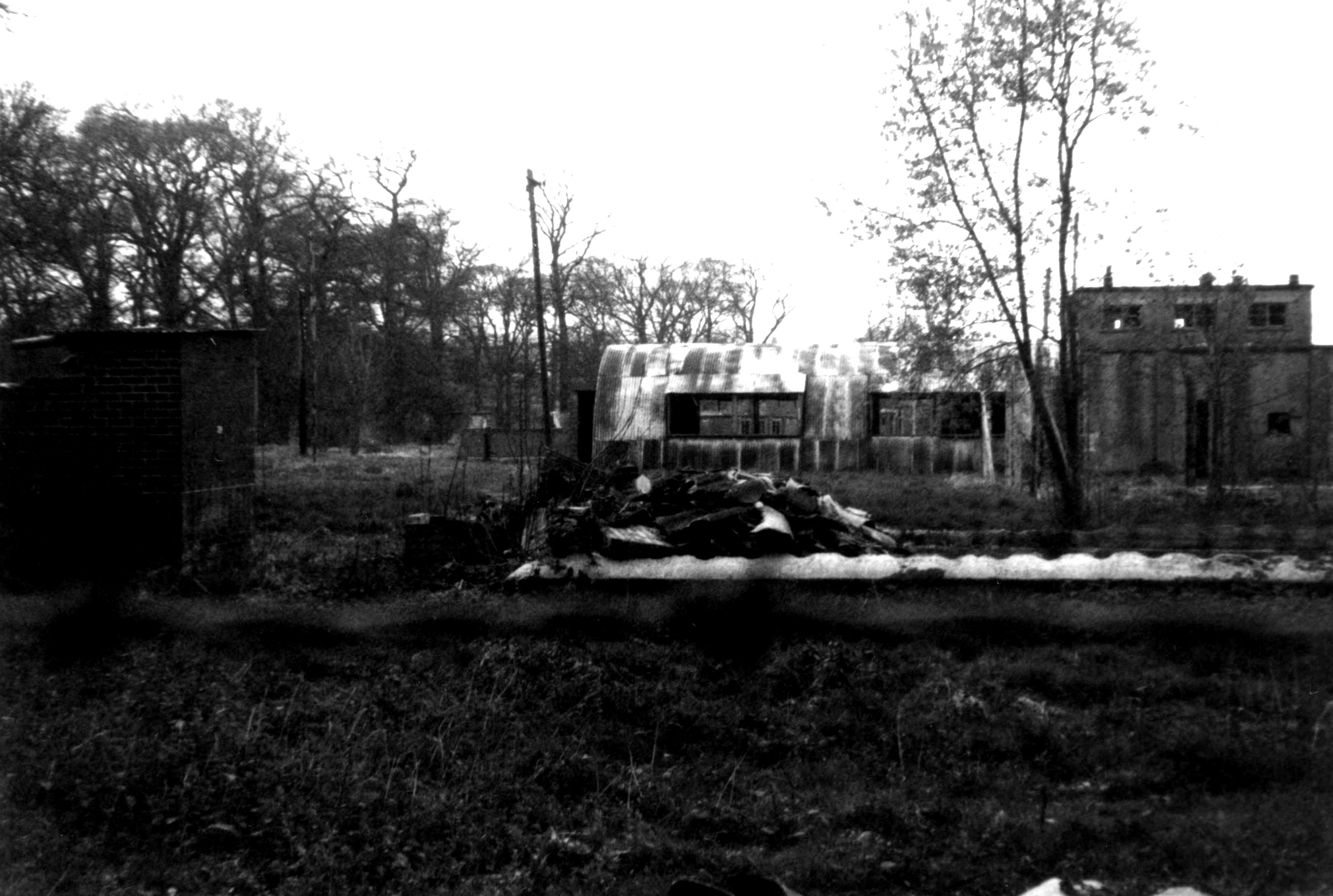
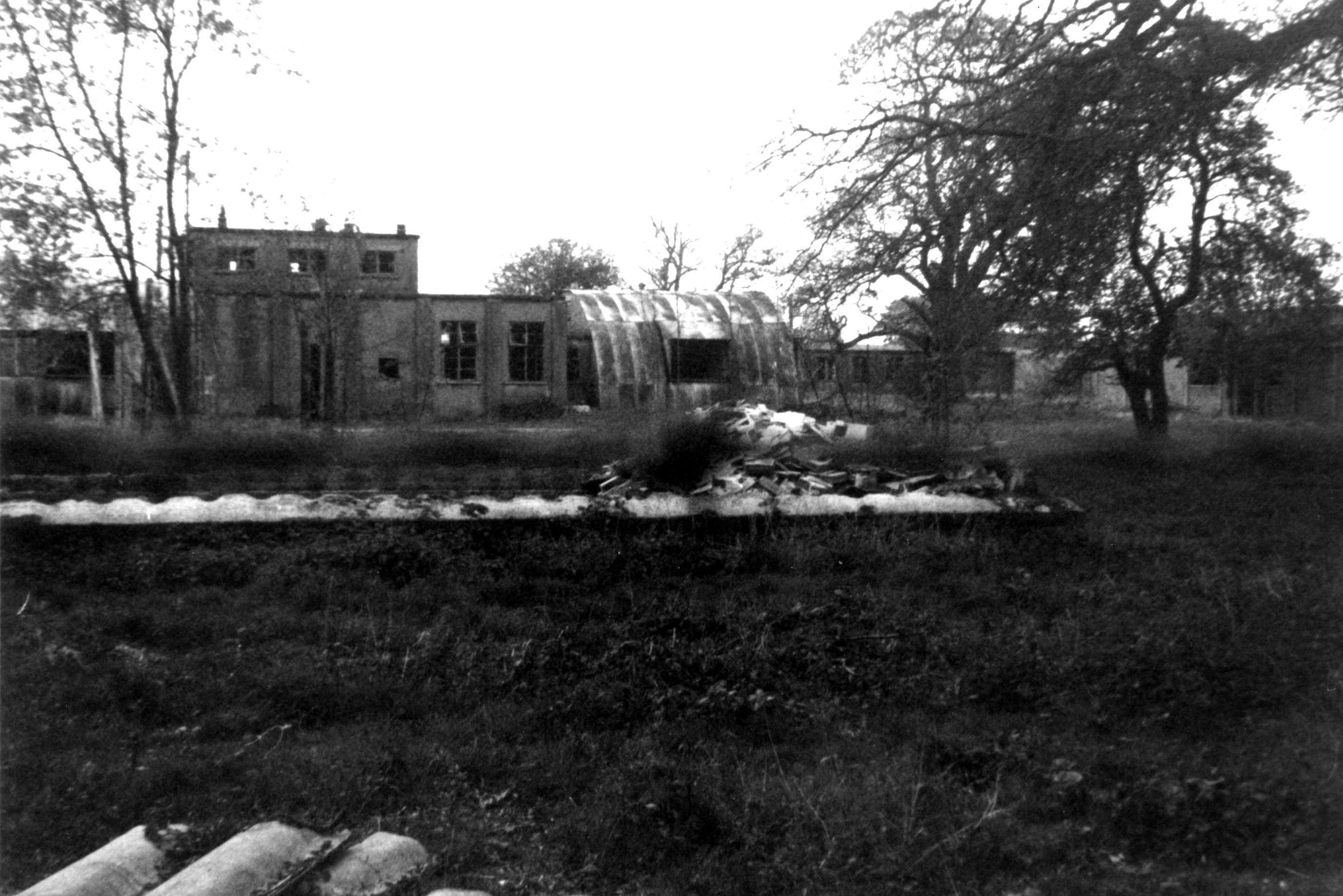
More of the north eastern camp
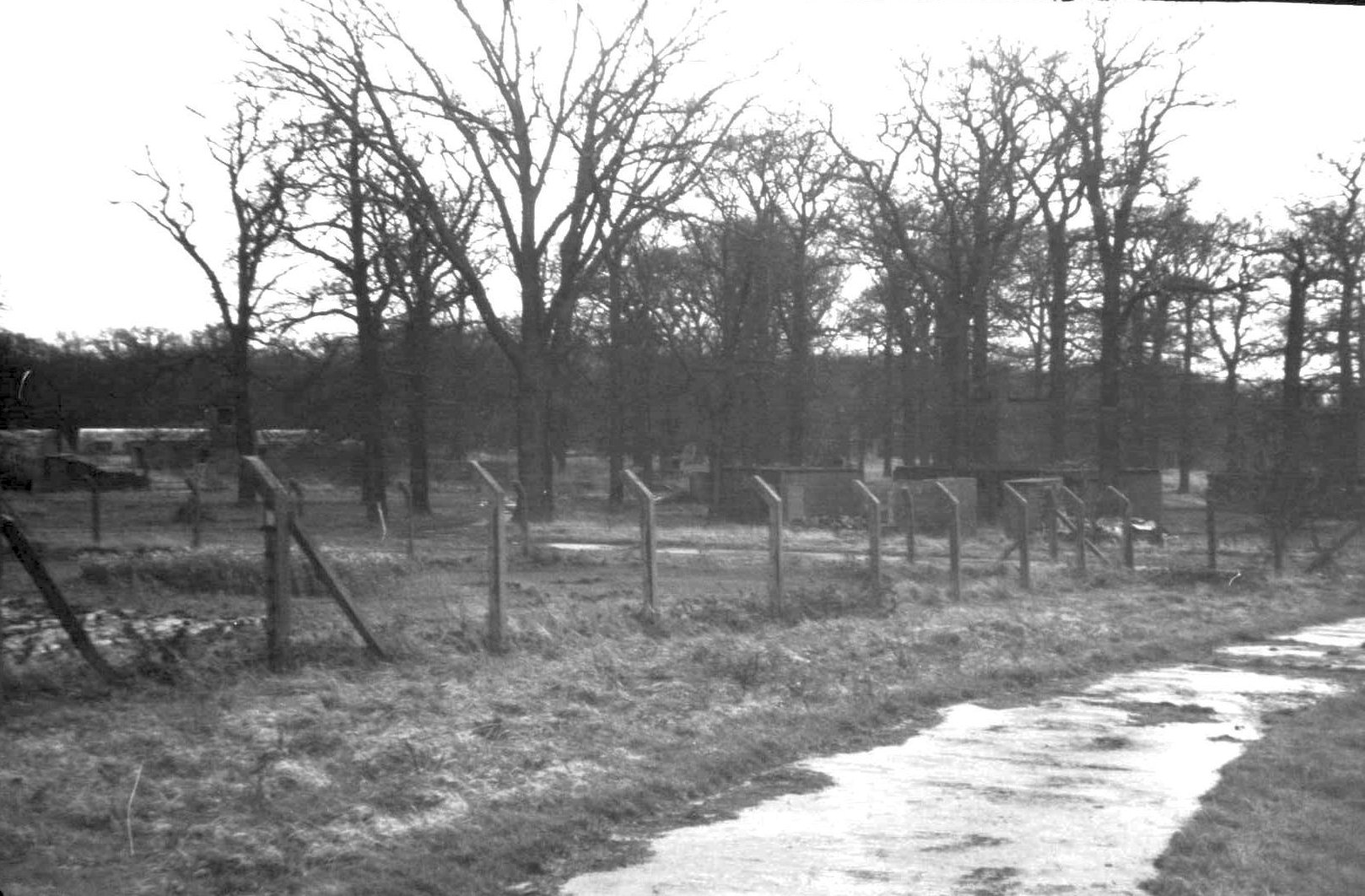
As you progressed north a separate track between its own wire fences headed out north towards the southern end of Nuneham Park. This is a view looking back towards the camp.
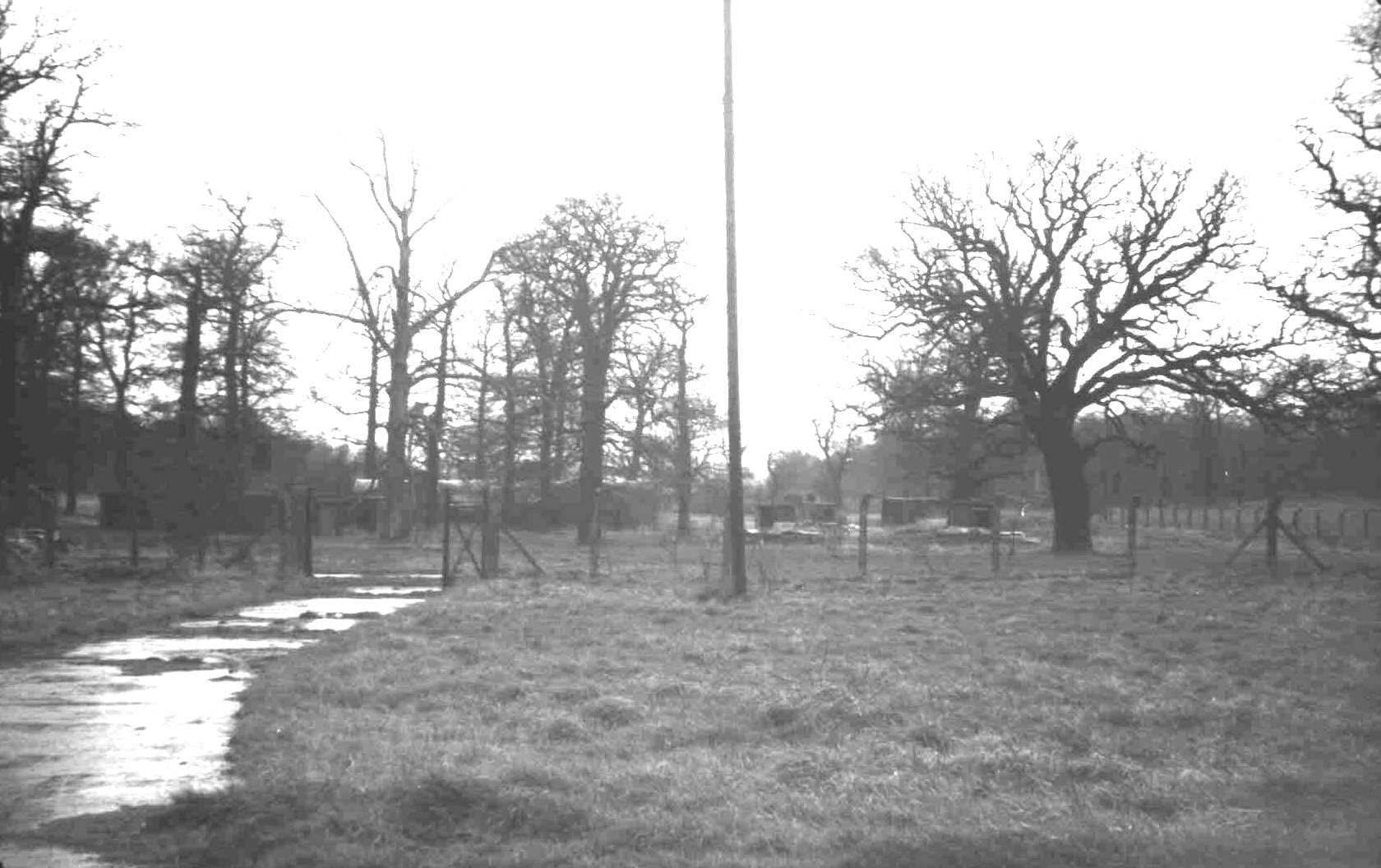
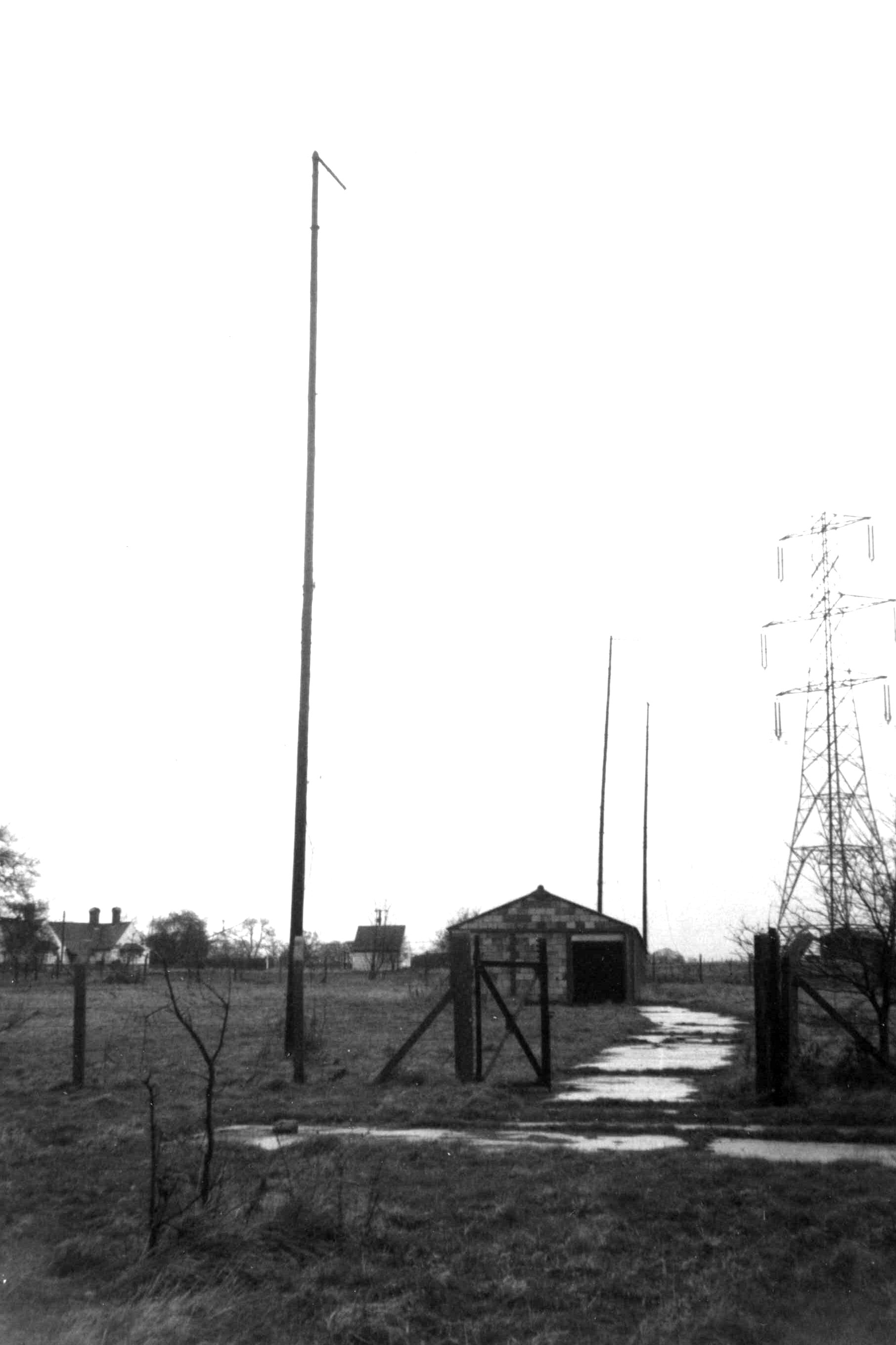
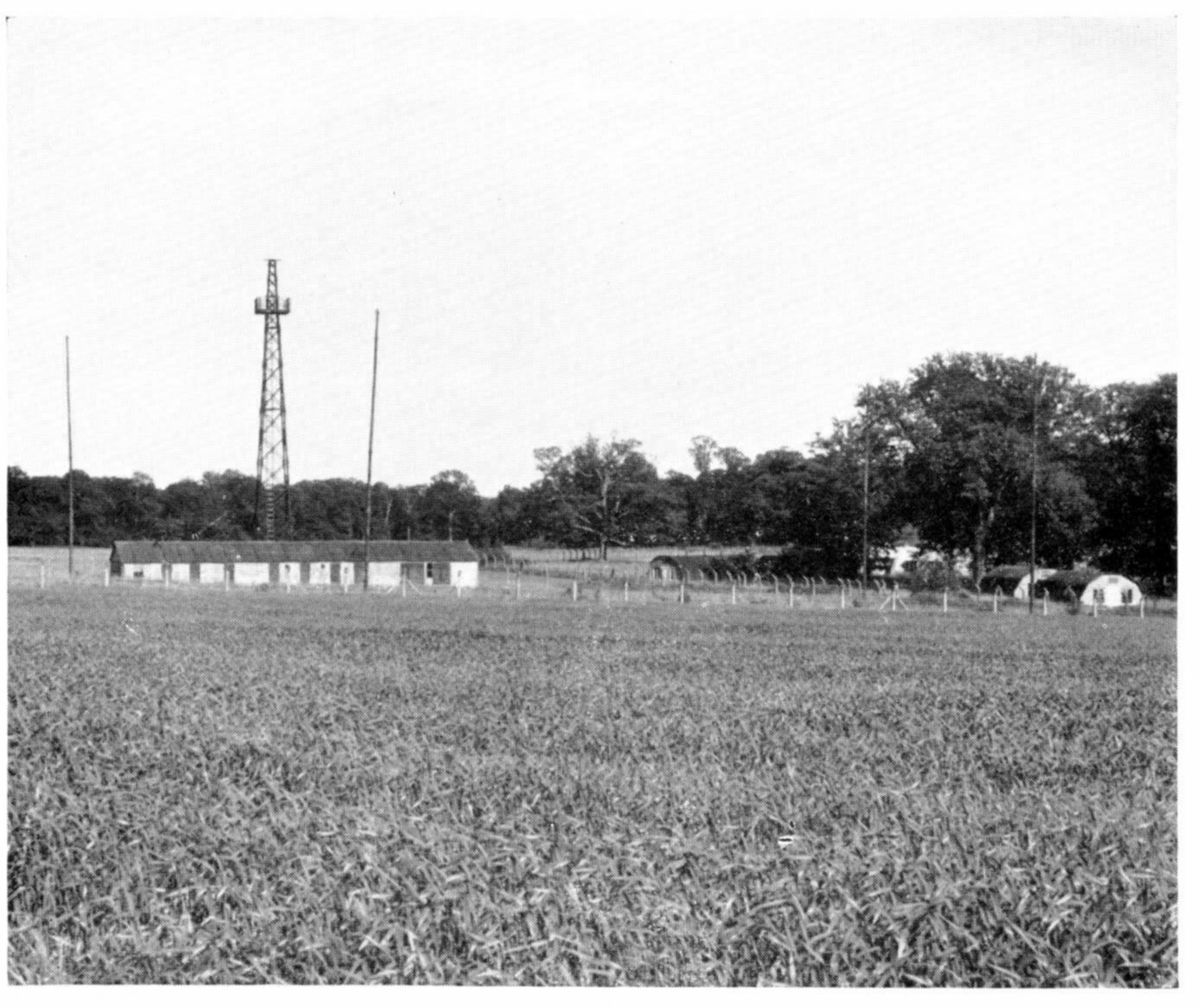
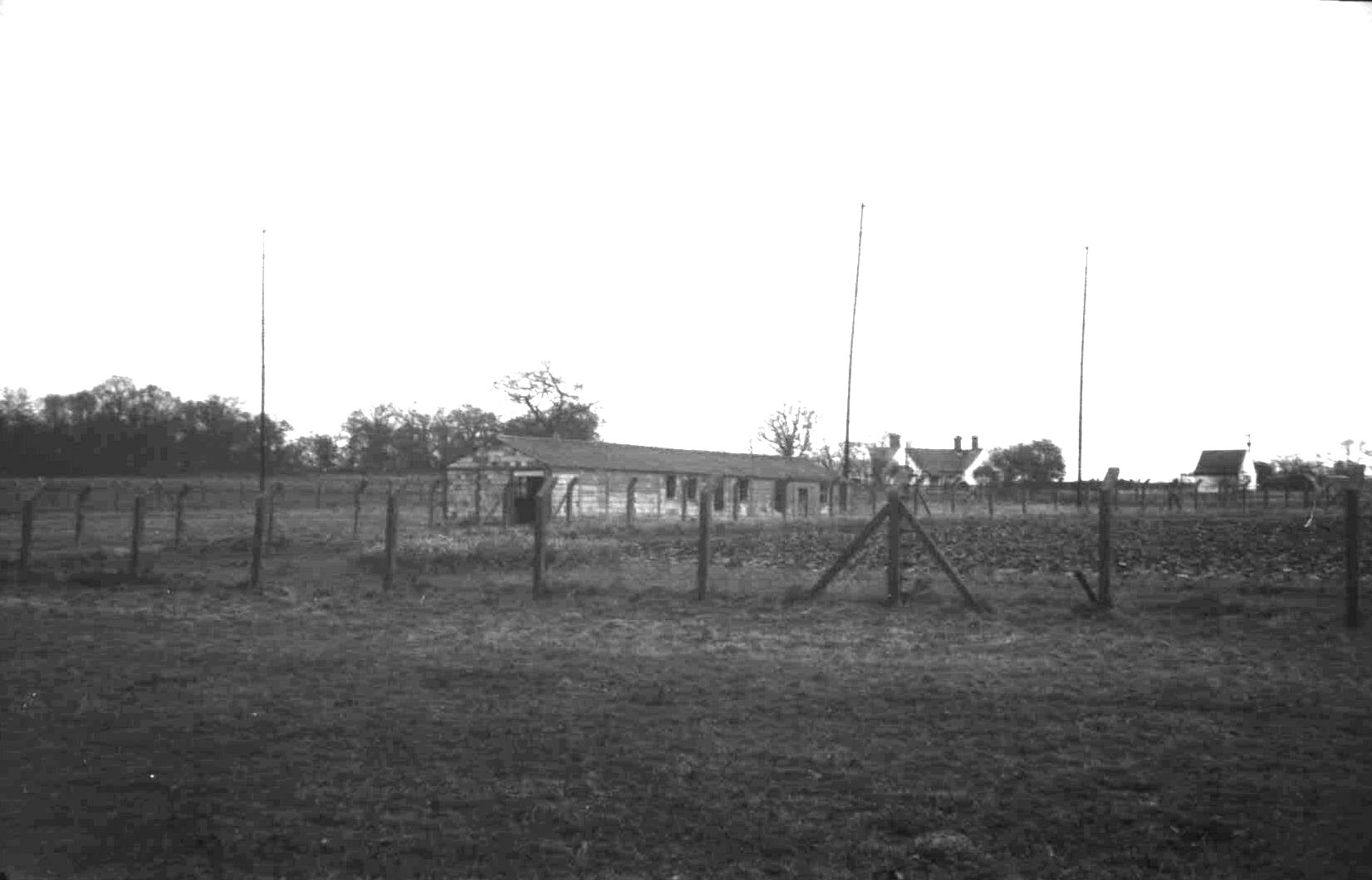
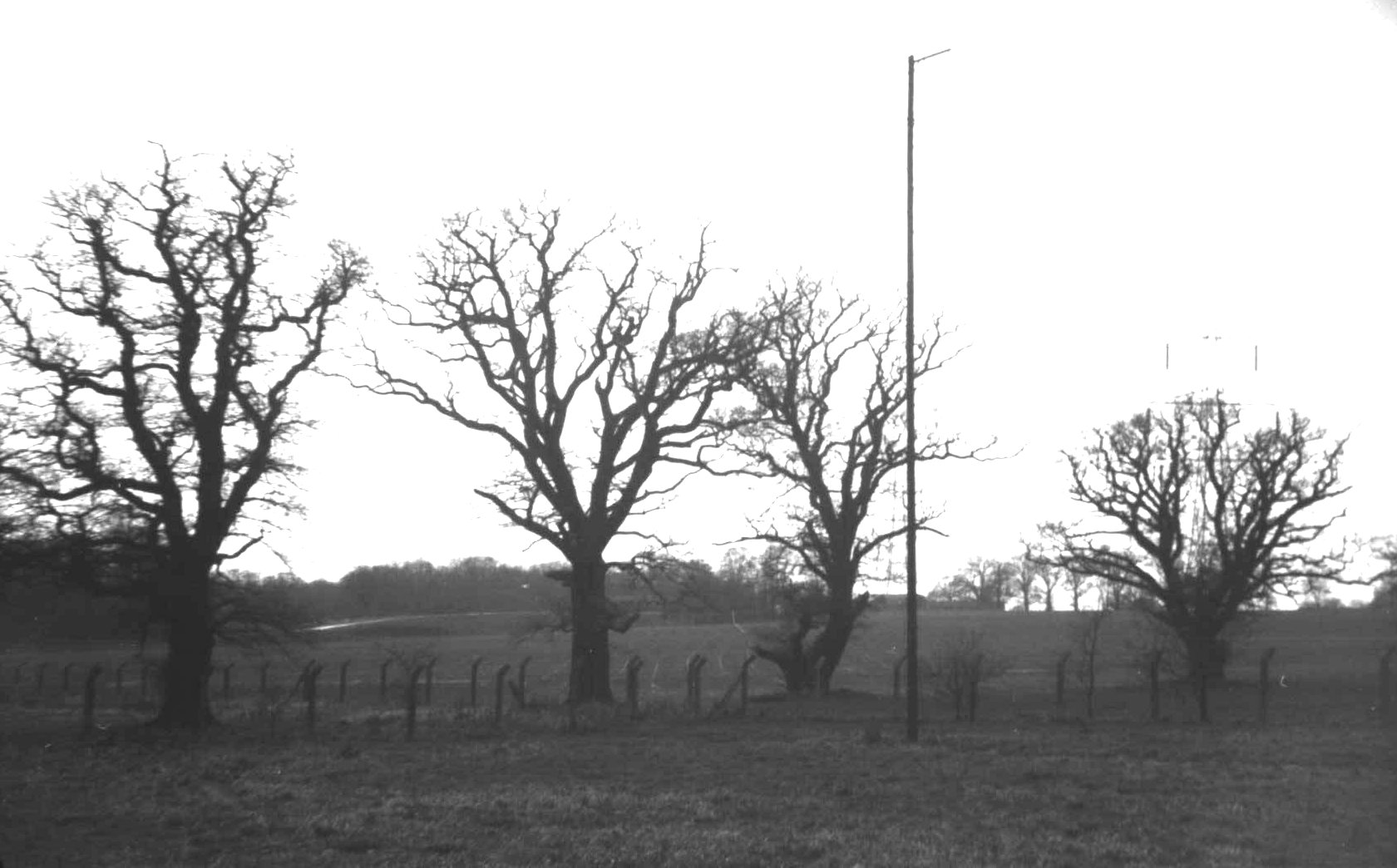
This is where it headed. It appears to have been an elaborate radio station projecting out up high into Nuneham park, and is the furthest point north for the whole site. The high poles carried radio aerials, the remains of which hung down in
forlorn dereliction. They seemed to be wooden telegraph poles joined together and some had already fallen down. The buildings in the distance are residential properties in Nuneham Park, although the one towards the centre looks a bit like it could have been a Post Office repeater building? Maybe a link in the radio chain?? I would very much like to find out more details of the purpose of this radio site. I
don't feel it is quite a normal airfield radio operation and was it Navy or RAF? The High Voltage pylons had of course only been built recently serving the new Didcot power station, which extracts its cooling water from the Thames at a point below Lock Wood.
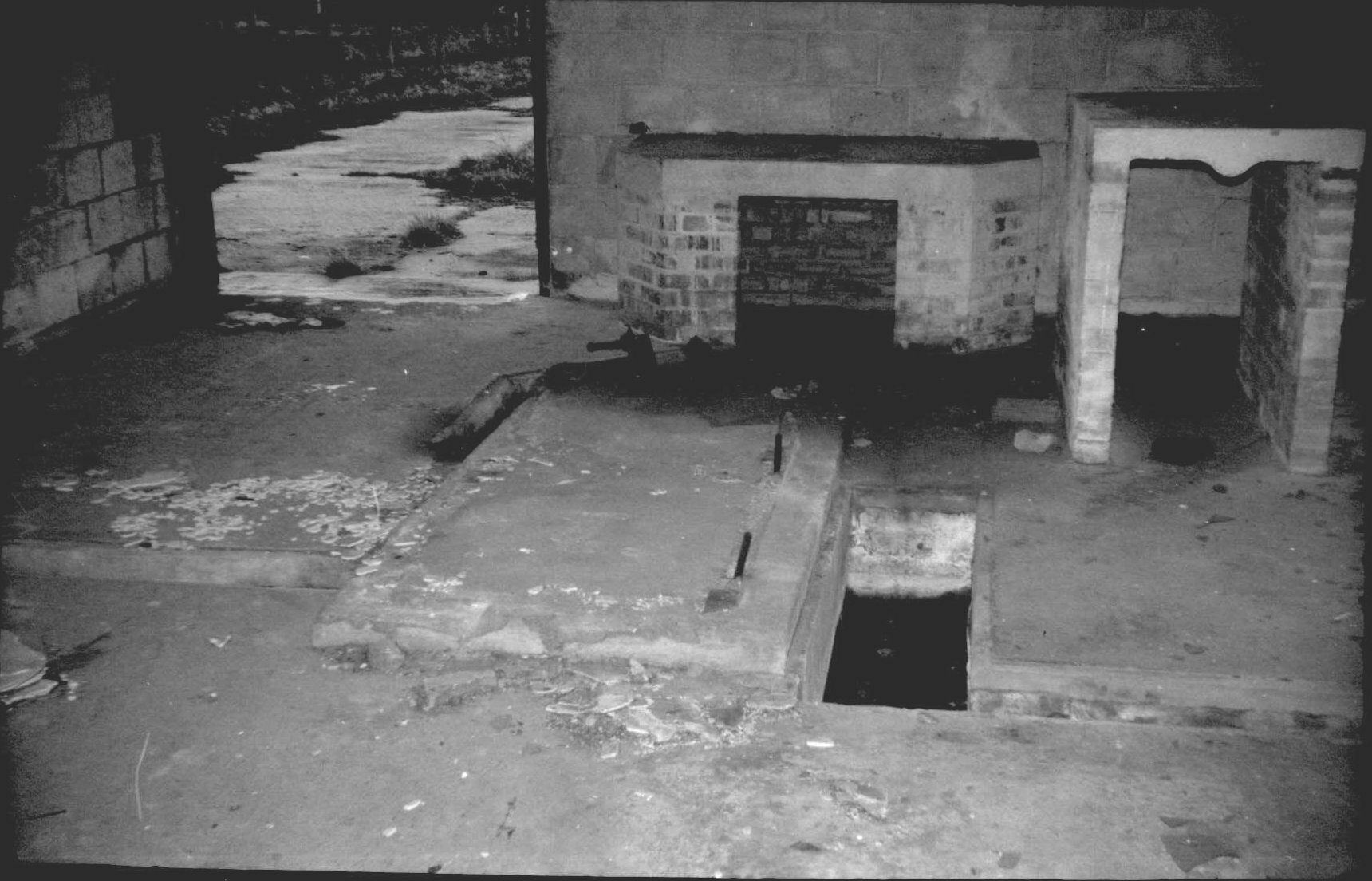
Within the building at the nearest end the wide door leads to what I fancy was the standby generator room.
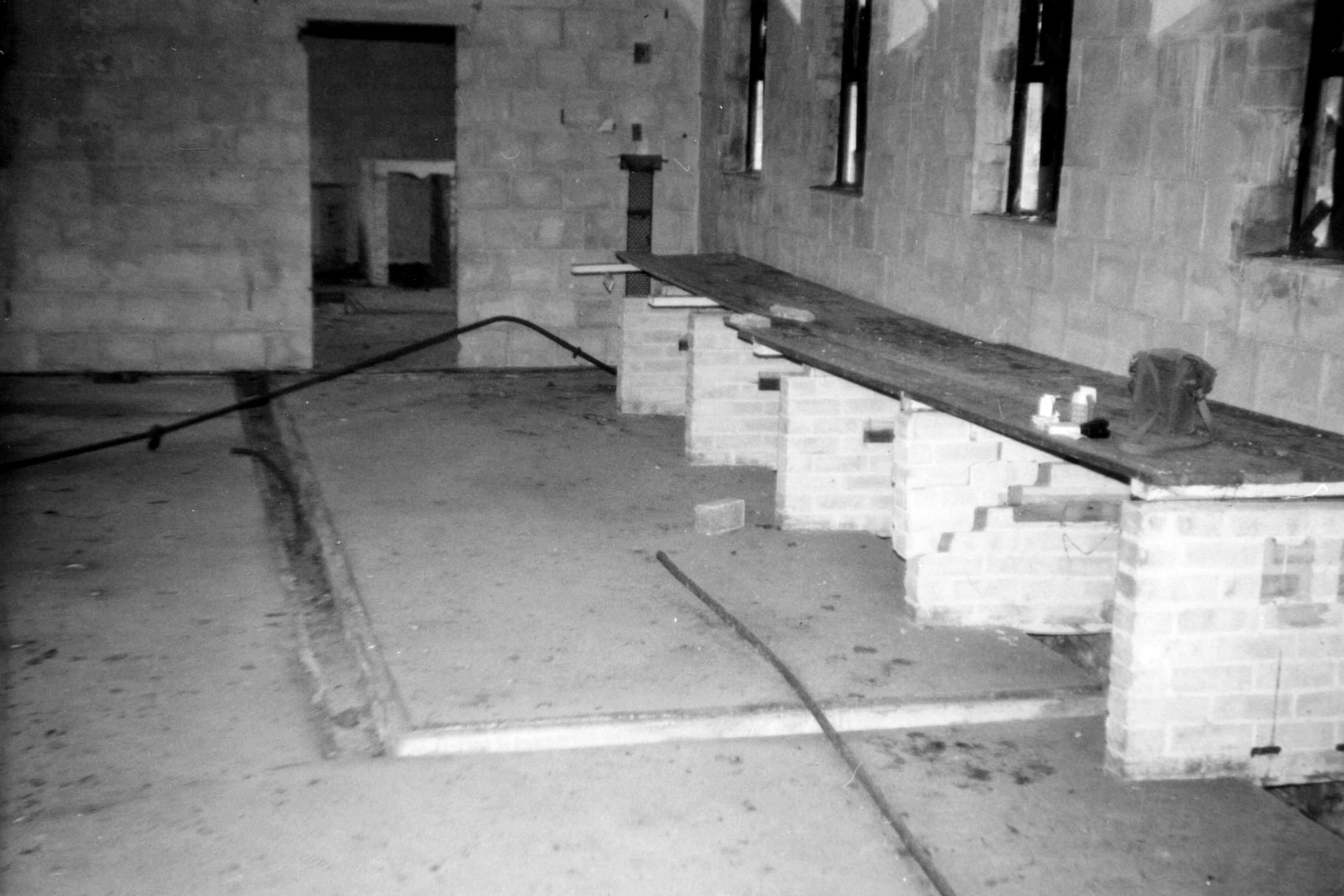
And the next room is either a workshop or more likely the actual radio equipment room.
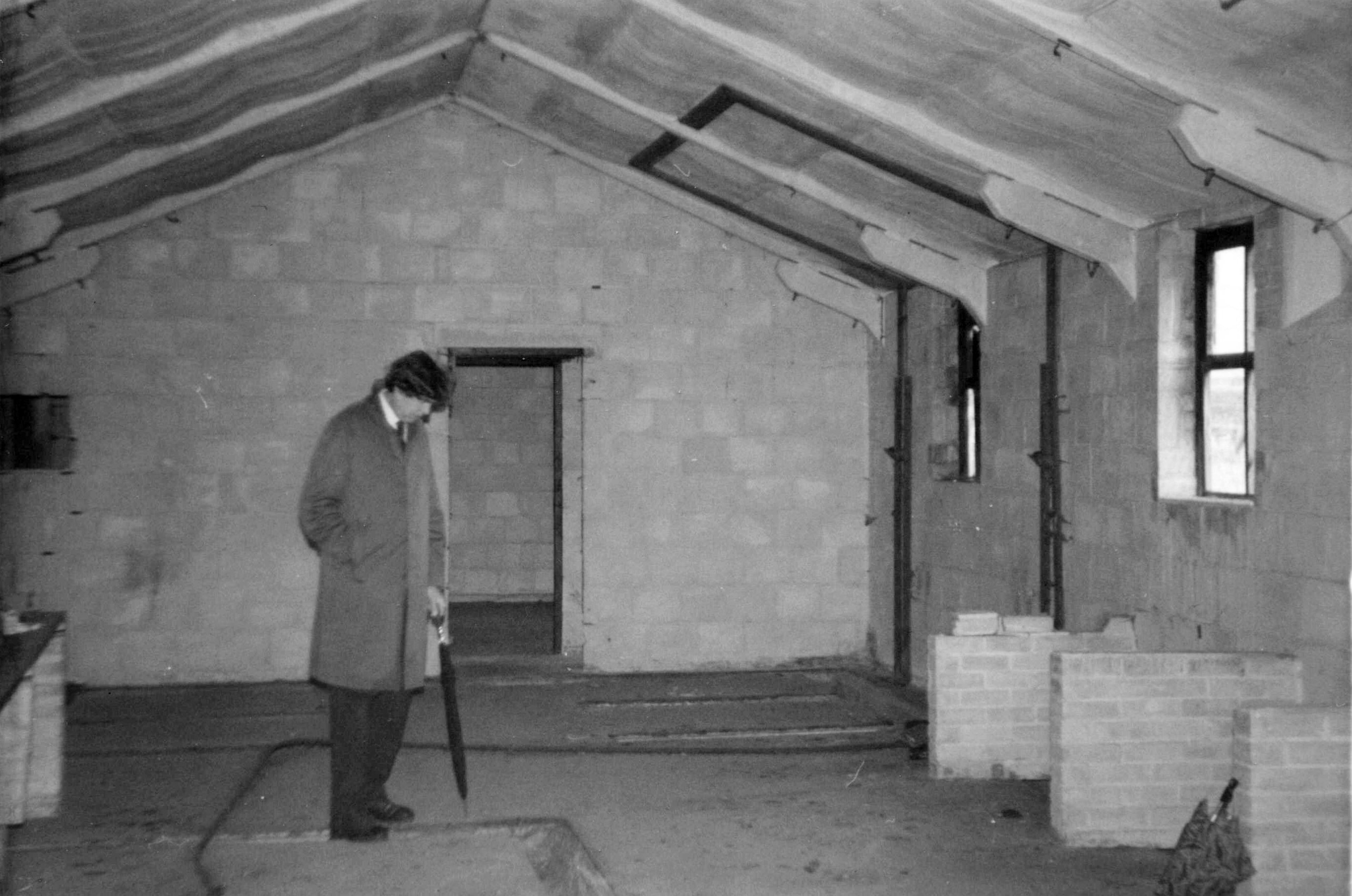
Beyond this was a hallway and then smaller offices.
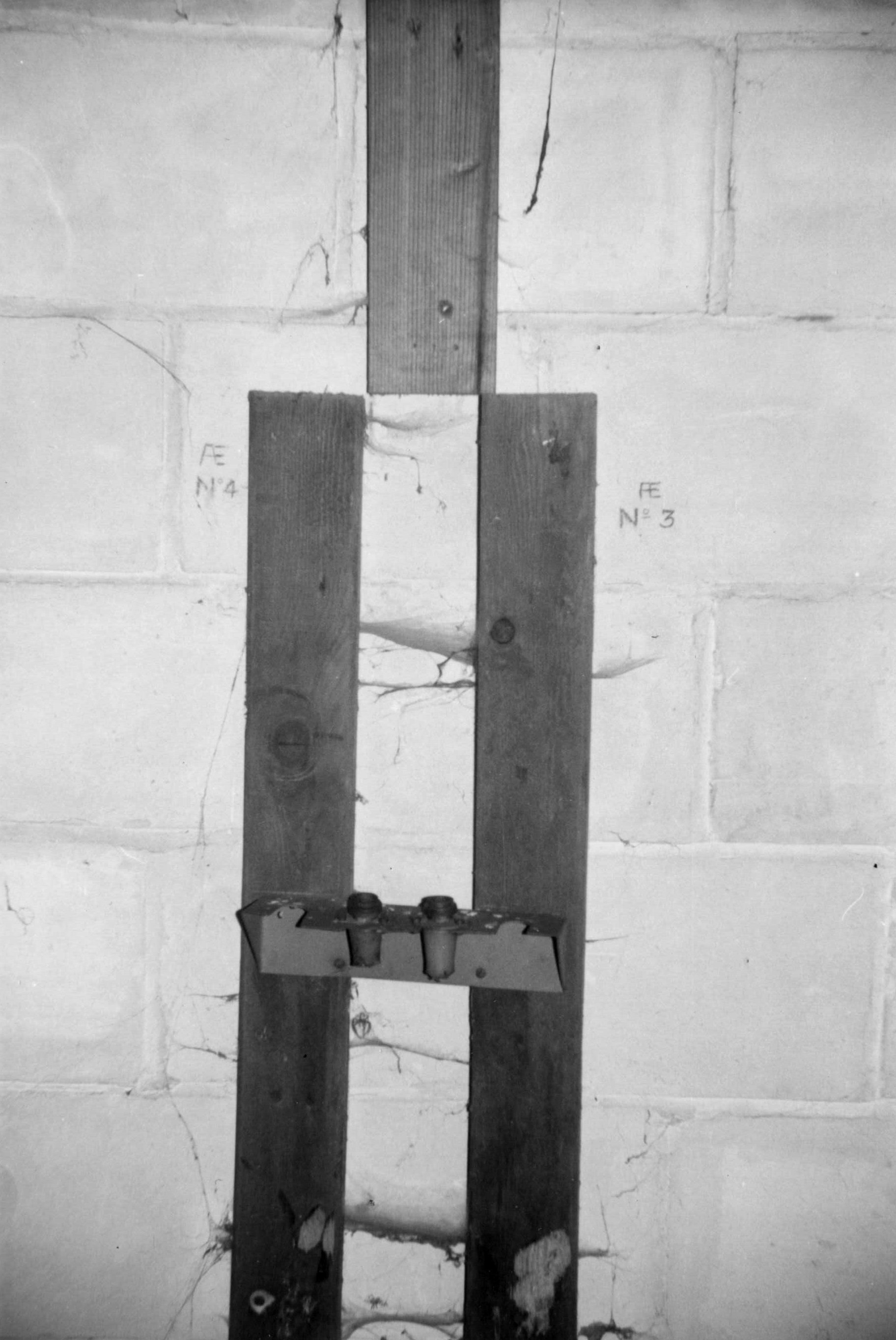
On all the walls were these assemblies where the aerial feeders appeared to come up from the floor for routing around the room as required.
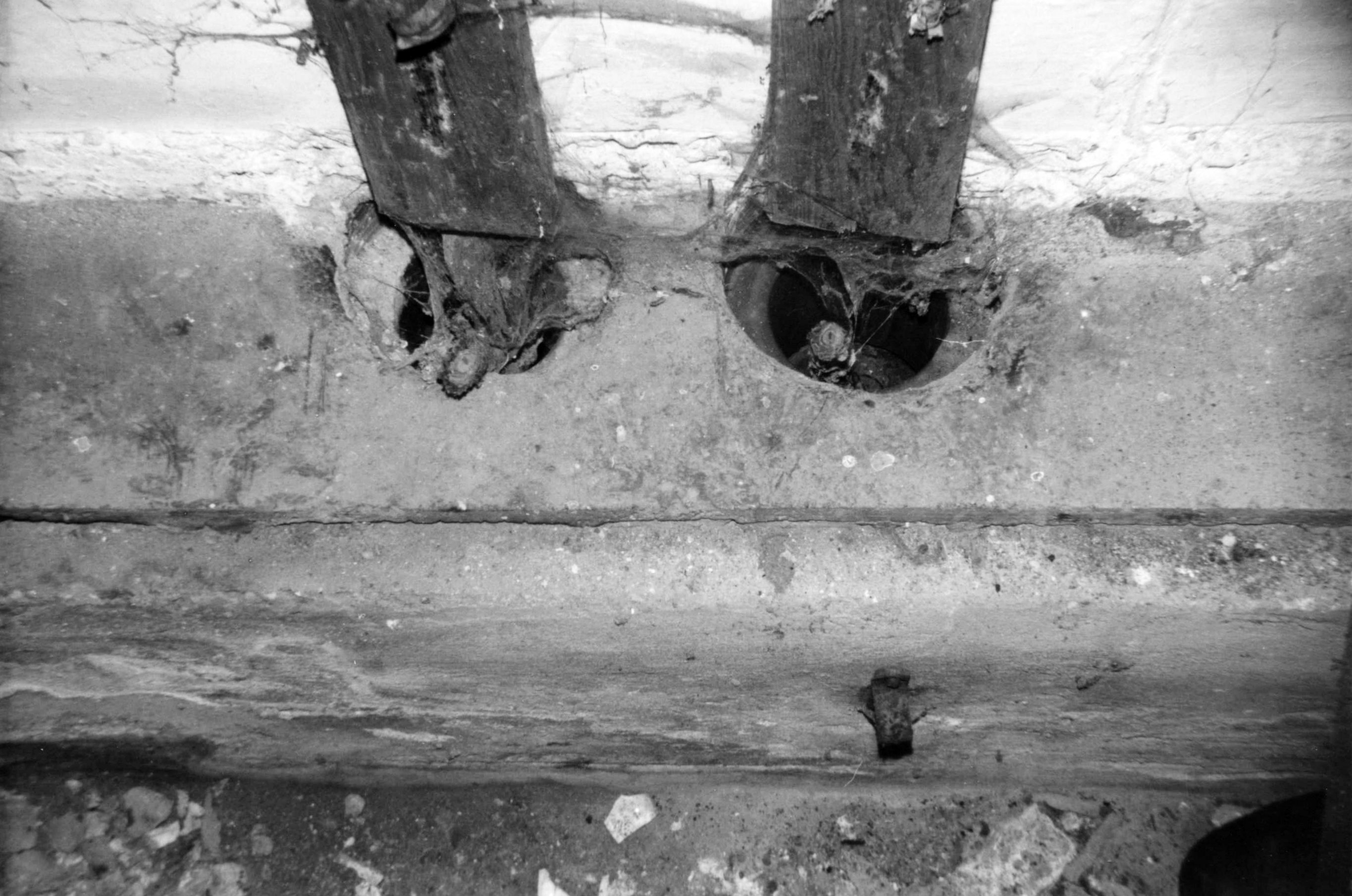
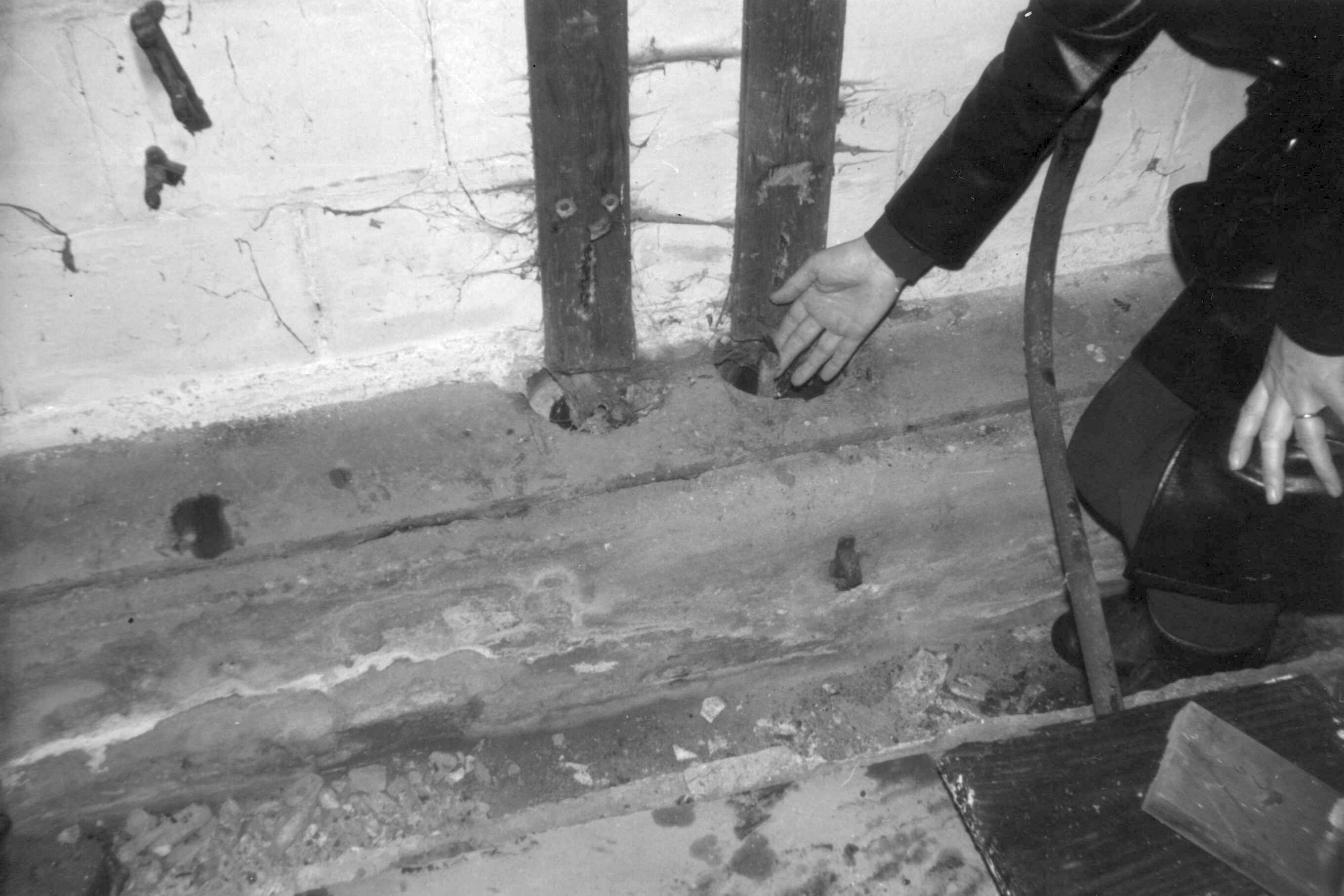
This is one of the coaxial feeder cables from the aerials.
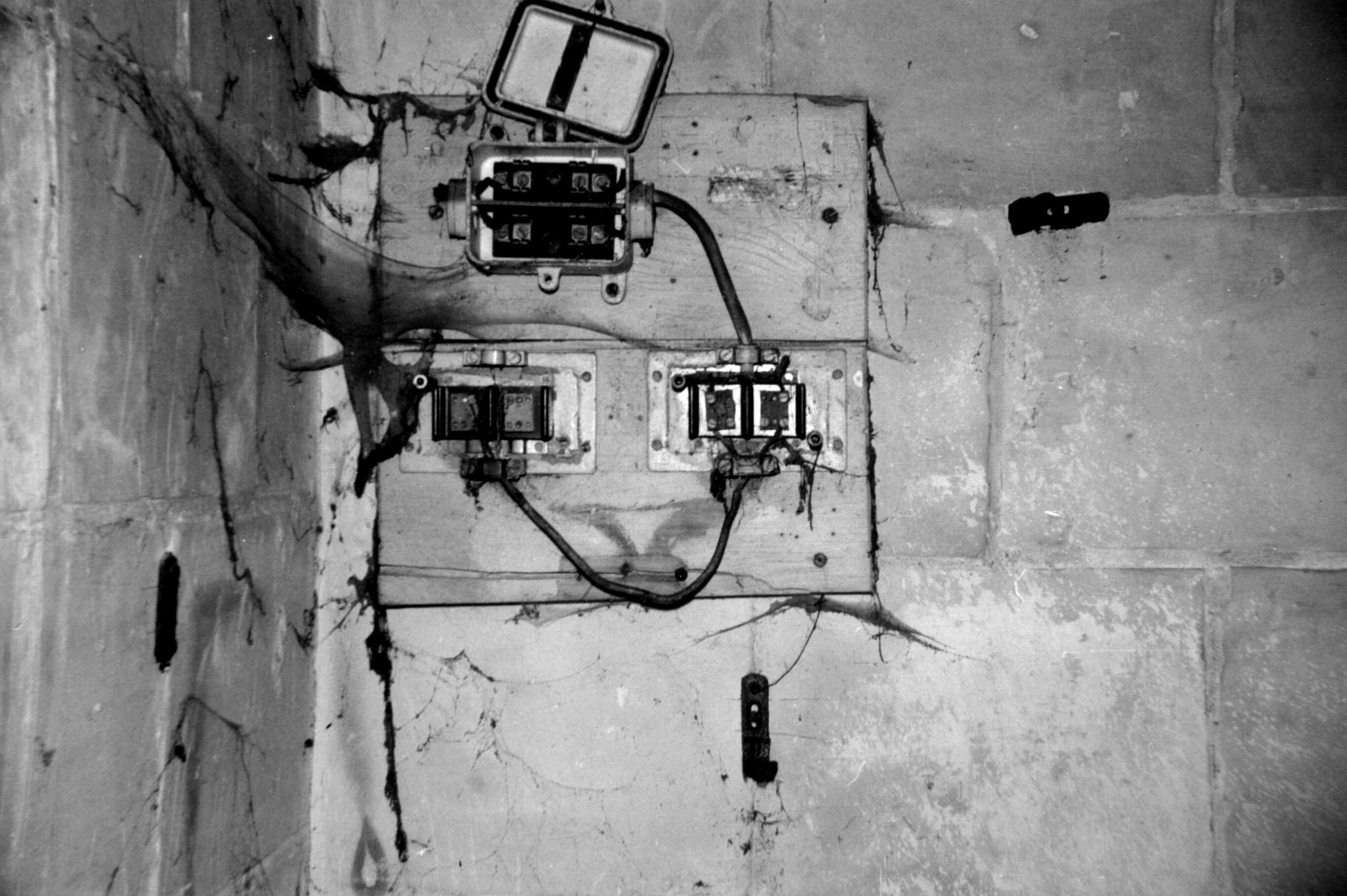
Switchgear or maybe aerial grounding points and fuses?
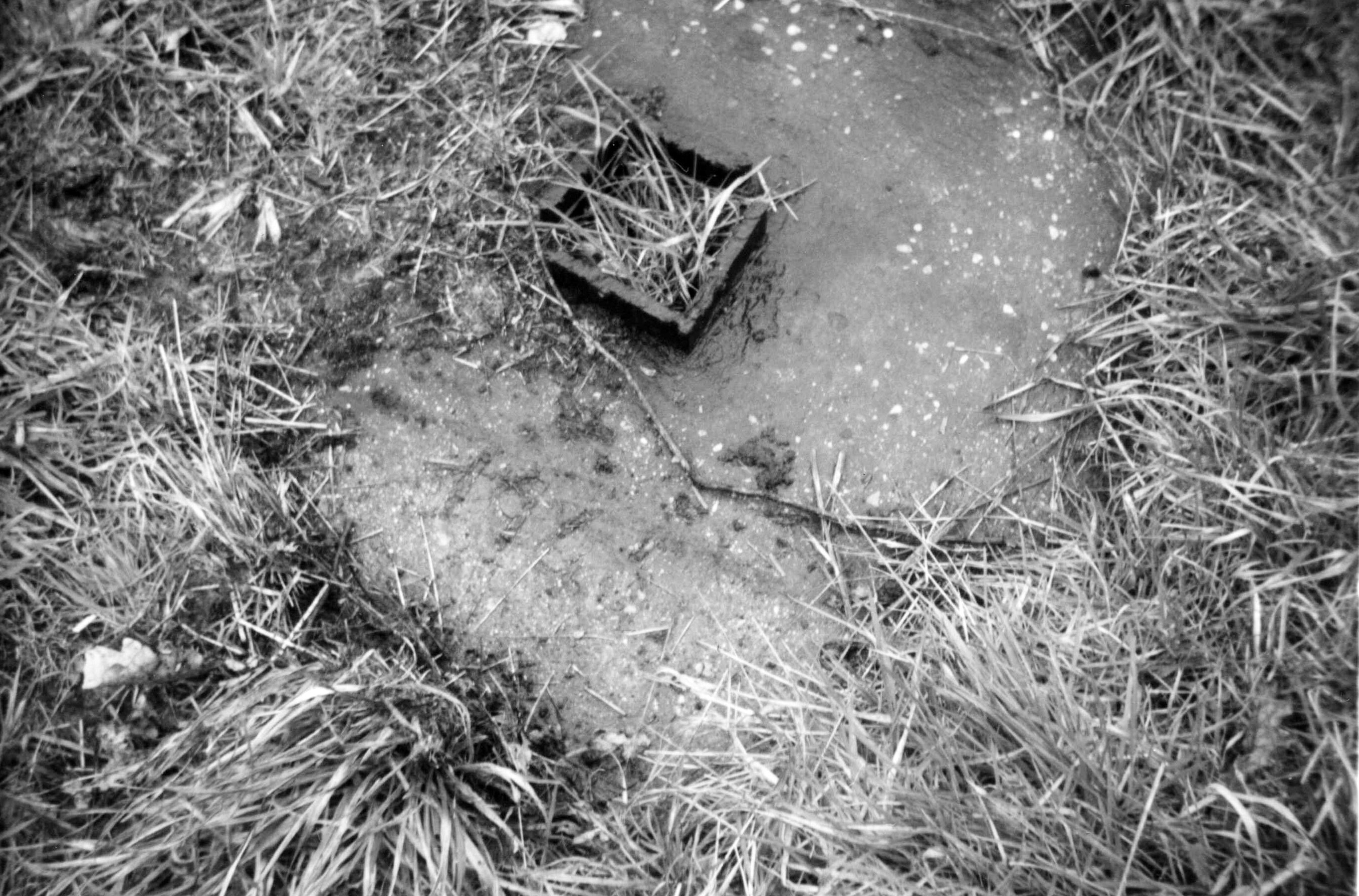
This looks like an old aerial tower support that has been cut down for scrap. Note the date "1946" carved into the concrete by the builder!
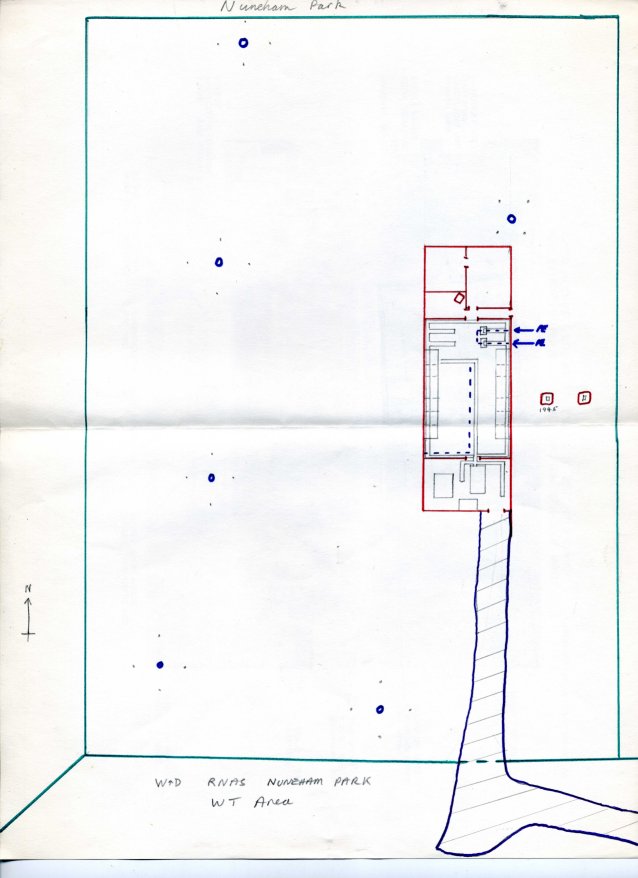
This is a drawing I made at the time of the station layout.
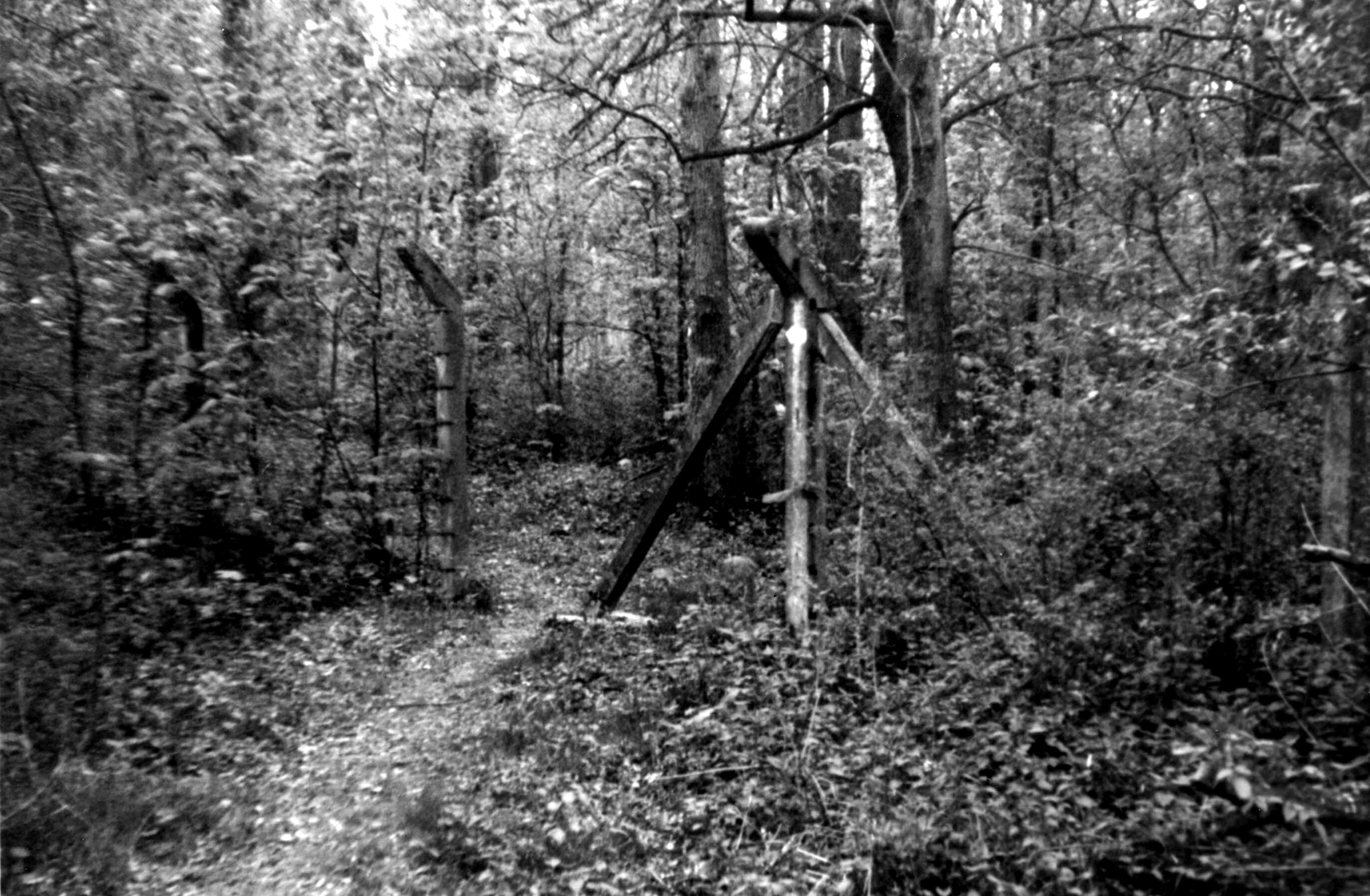
Anyone remember Timeslip? This was a children's sci-fi drama series aired at about the same time as these pictures were taken. The time barrier depicted in the series was an old ministry site fence just like this!
I have not visited these areas on foot for 40 years but as far as I can see from Google satellite views every trace of all these buildings shown above has been completely erased in a very clinical and effective way.
I was only 15 when I was exploring this place, and hindsight is a wonderful thing. Everything seemed straightforward then. If only I could go back there now I feel there are a number of questions that could still be answered. The RAF waybill I found at Fergus camp was dated 1964. This suggests there was serious activity there in these remote hidden camps even after closure and the takeover by the UKAEA of the main airfield site. Or maybe NAVY inefficiency meant they were still sending new batches of forms after closure! There seemed to be a lot of buildings in both these camps and not just
Nissen huts. Some of them were high with second floor windows like small control towers. The radio station appears to have been primarily a short wave station, I wonder if it was a listening station of some sort? If it was a transmitting station I wonder what its purpose was. Was the station and maybe the north east camp Navy or RAF? Maybe it integrated in some way with RAF Nuneham rather than HMS Hornbill. I know the fitting of radios to new aircraft was part of the tasks undertaken at the airfield, but I think this station is rather more than for testing purposes. The two camps were quite isolated from the airfield and the rest of the countryside around and would have been ideal for carrying out covert work. I bet few of the local people new they existed during the life of the site when airfield restrictions would be in force. It was so remote an area that I believe there were plans to build a prison on parts of this land. Information on HMS Hornbill and RAF Nuneham is very limited and tends to concentrate on the airfield activities. I would be interested to hear more from anyone with further insight into all this.
In fact while writing this I have discovered the web pages of Mr. Carrick Watson who tells us that the Parachute Course Admin Unit was stationed at Pegasus camp in the 1950s' before being merged into the Abingdon site. So apparently this site was re-used and I guess named Pegasus due to their presence, but it is still a mystery as to what went on there before the PCAU took over. On his site is this nice picture of the old hospital block:
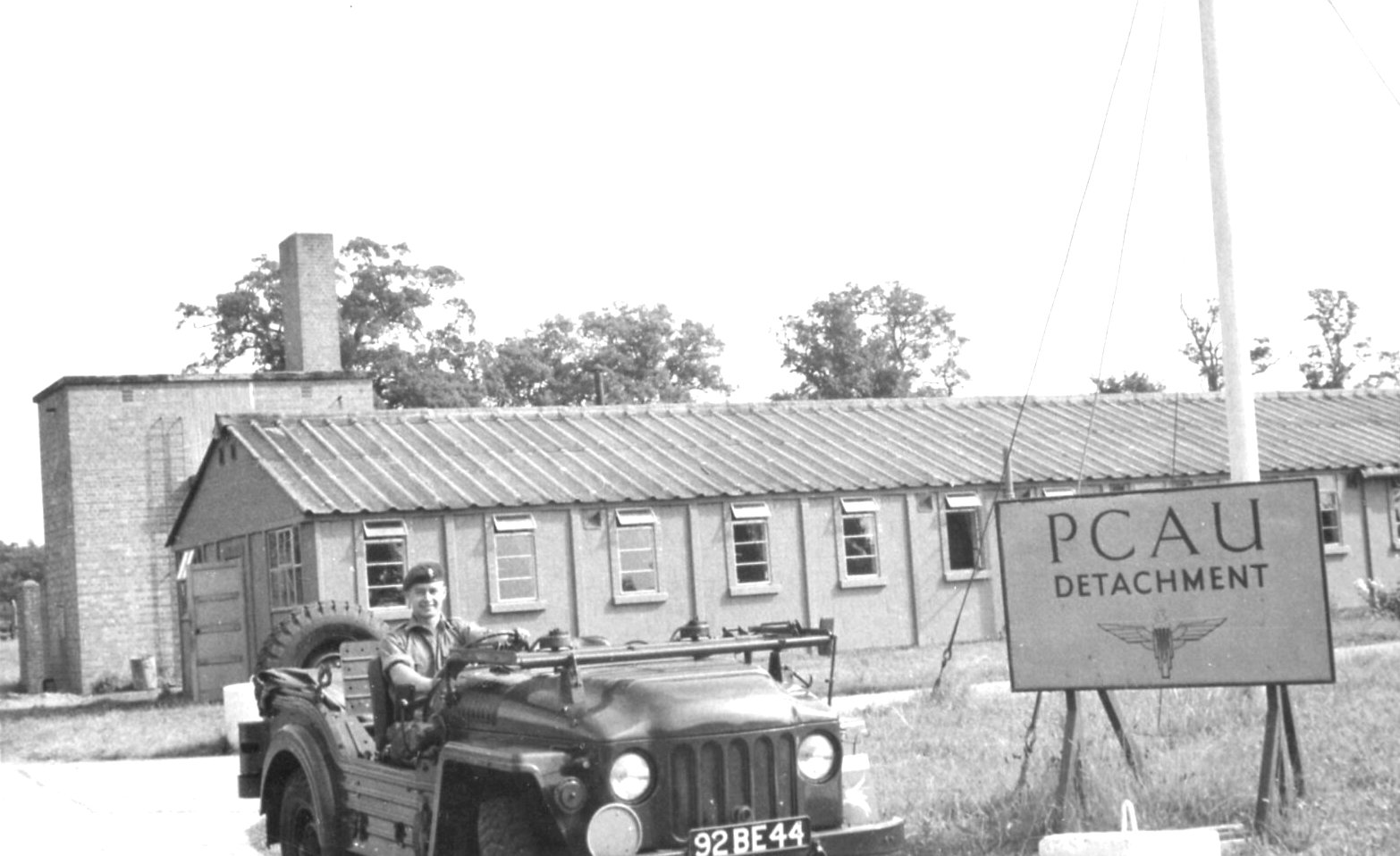
By acknowledgement to Carrick Watson
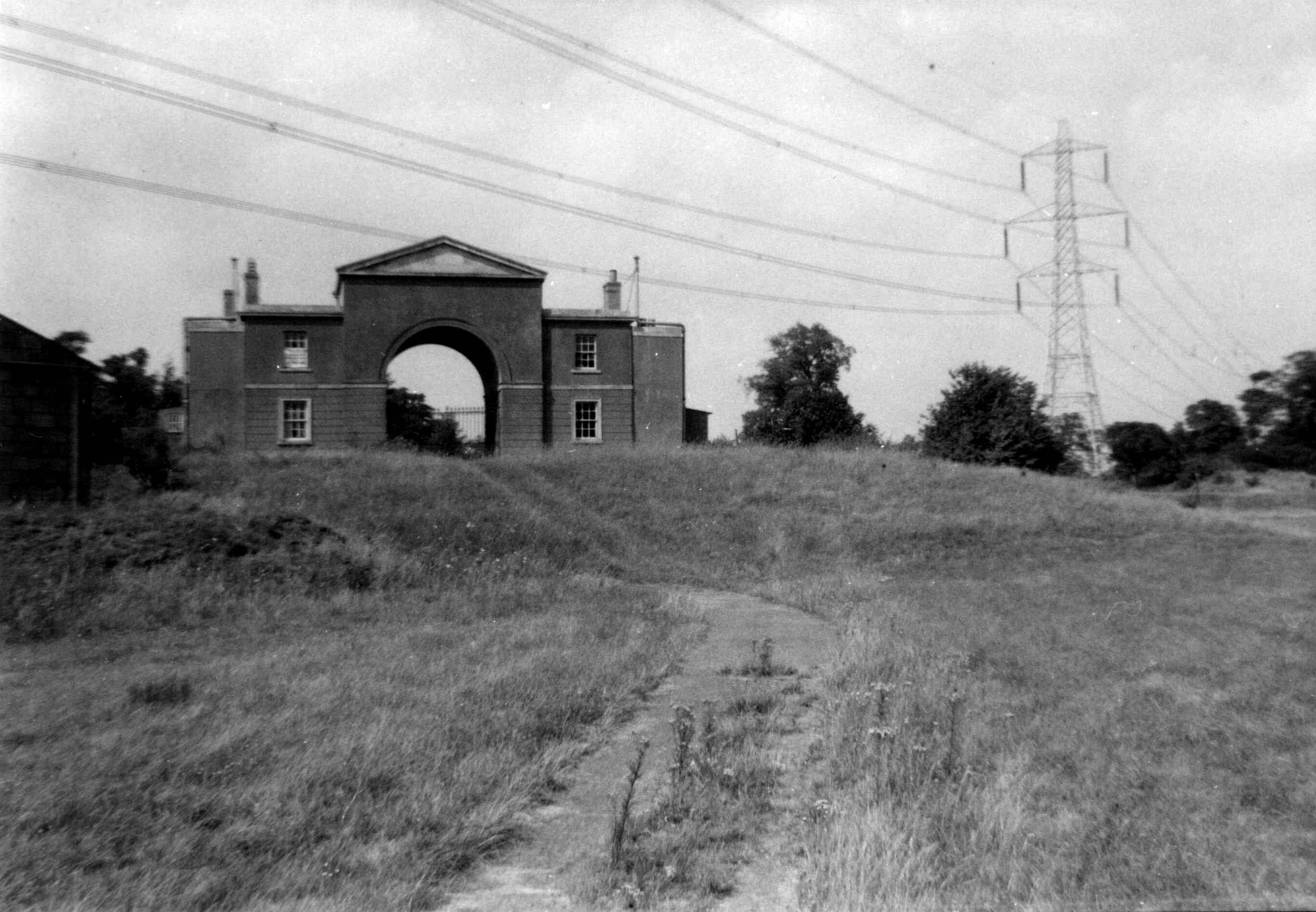
from his description, this may have been the block in the centre between the camps near the road up to the lodge and gate into Nuneham Park. His website is
http://www.carrickdesign.co.uk/pcauculham.htm
Also, there are some recent pictures taken by an explorer here.
Below is a map I sketched at the time showing the important features. I cannot vouch for how accurate this was or how much artists licence I may have included. But I have just downloaded a 1975 map showing most of these buildings in a very similar way, although by that time many were being demolished.
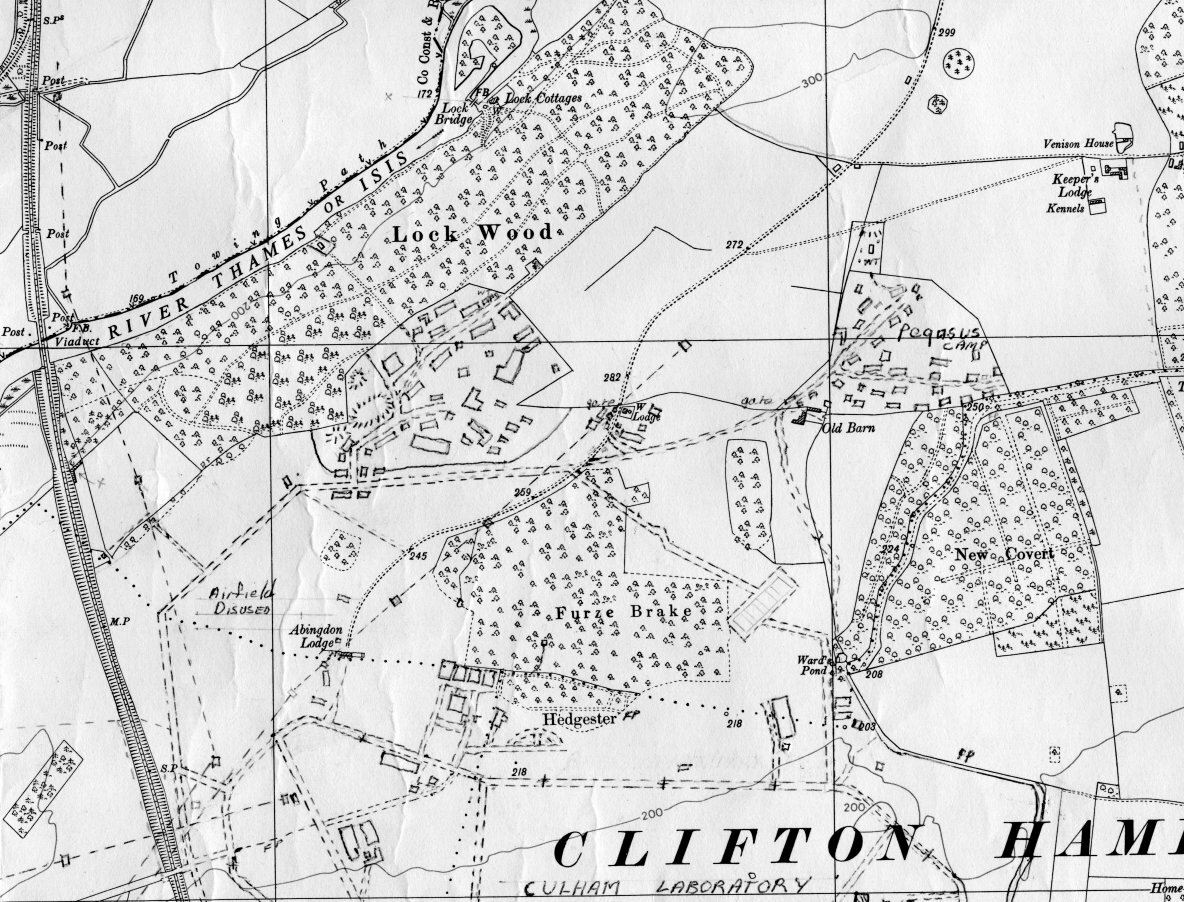
I seemed to have called the north east site Pegasus. I guess I must have determined this from somewhere although I cannot recall where after all these years.
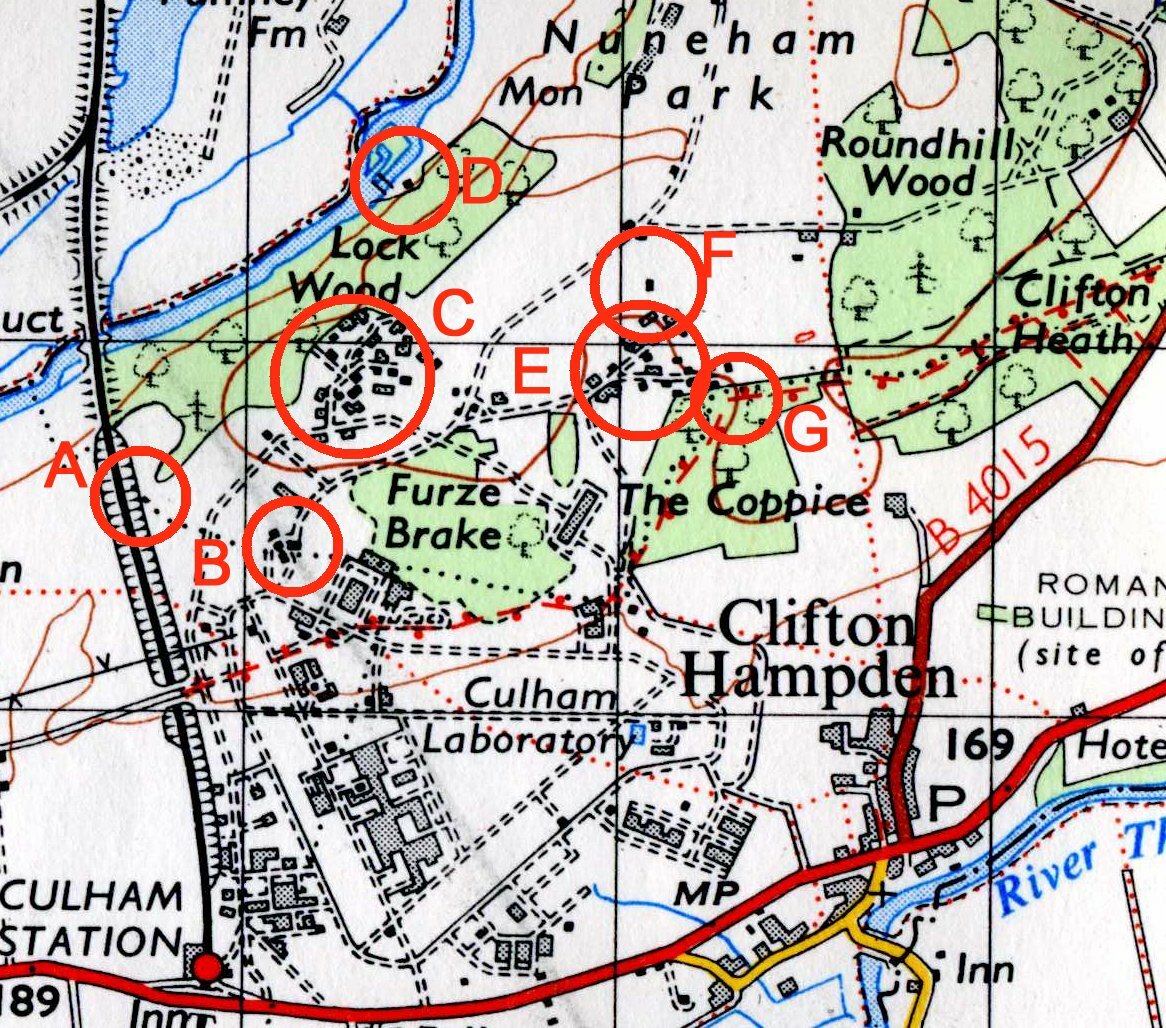
And finally this is a map showing the various locations where the photos were taken.
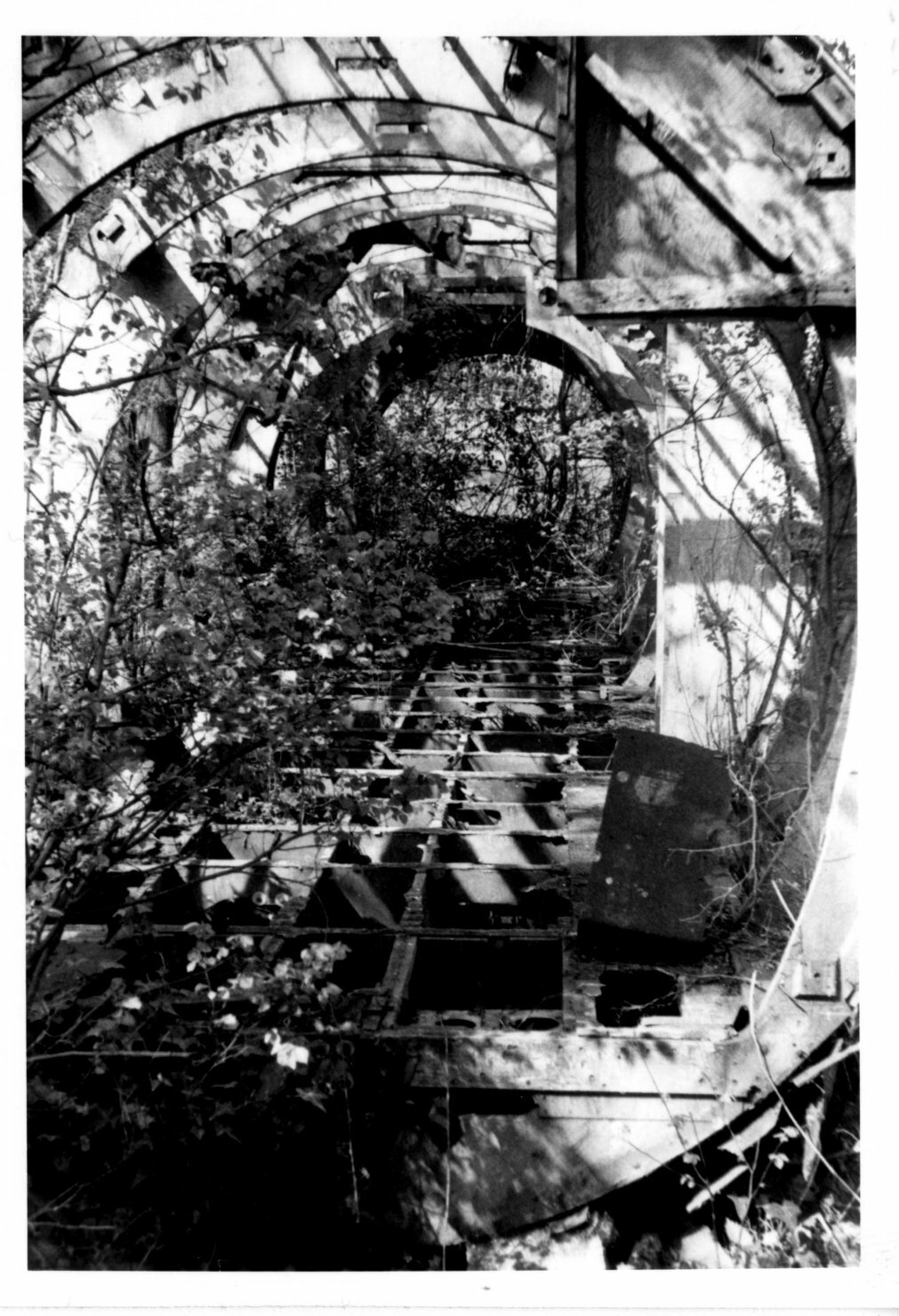
Additional photos discovered recently:
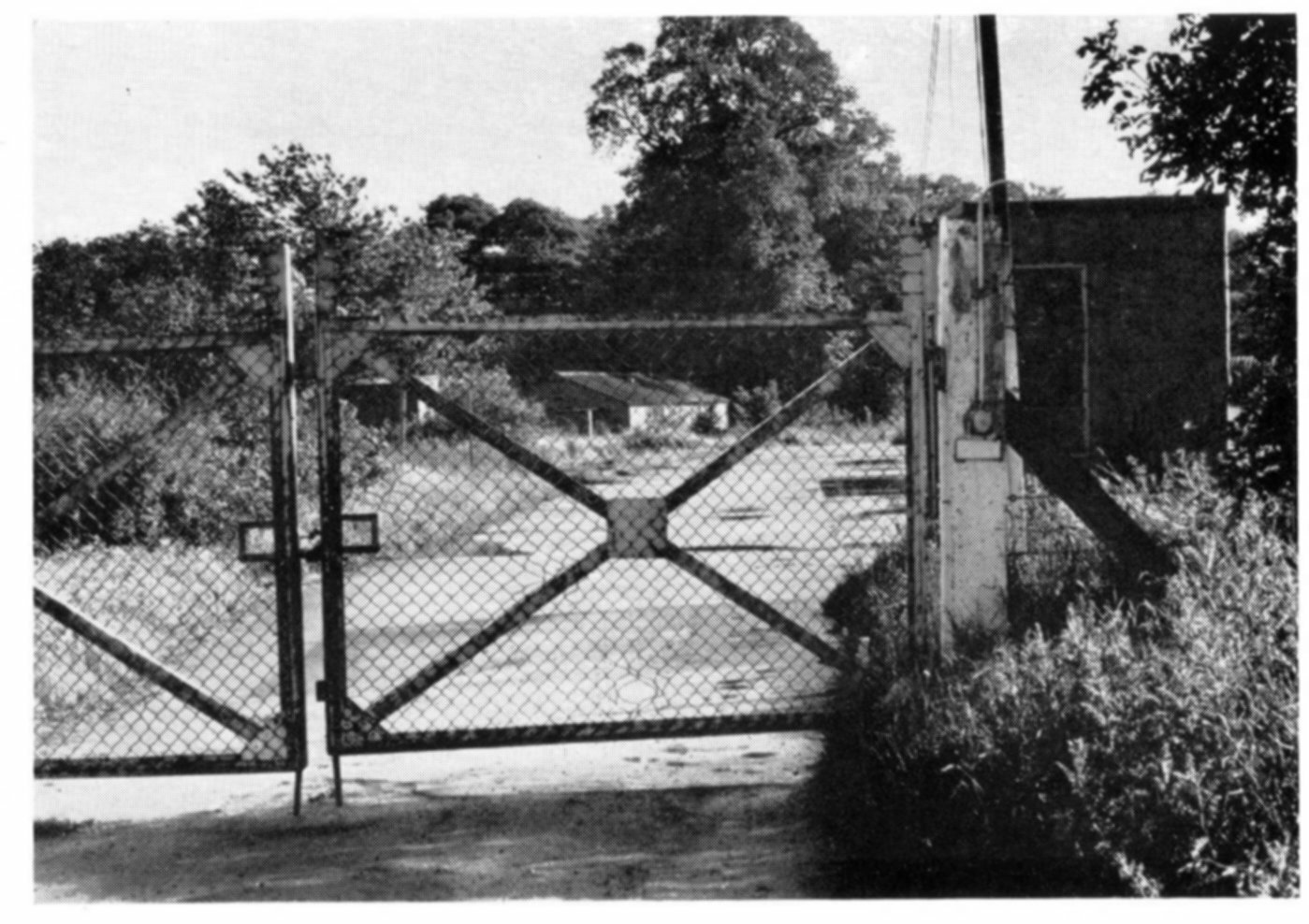
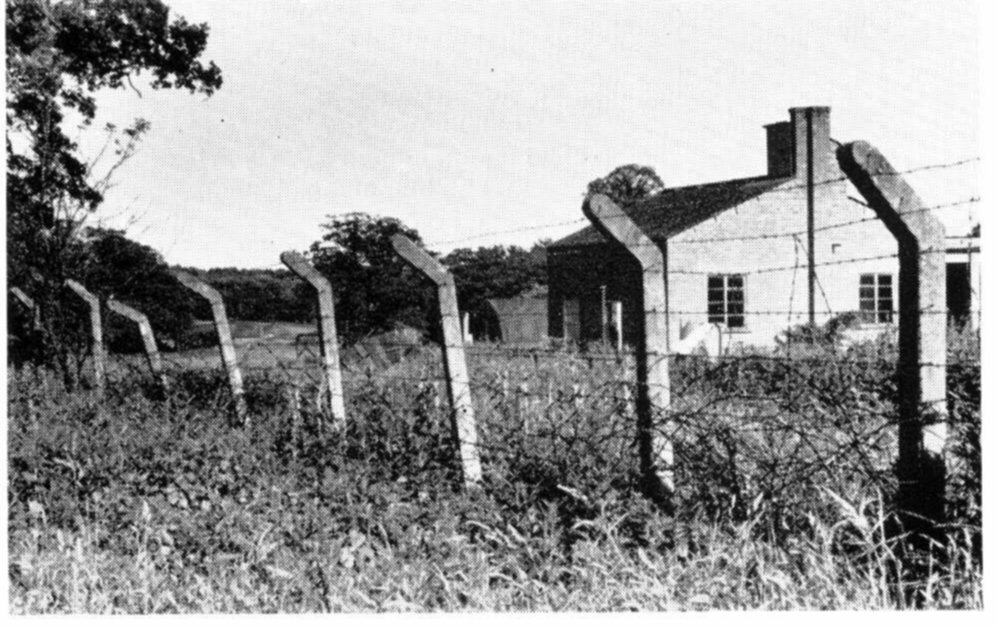
Lionel Brett, in his book "Landscape in Distress" , published in 1965, uses a few photographs of the Culham Site to illustrate some of his points about landscape. The first one is a rather nice view of the radio site even before it was as derelict as it was when I found it. The other two are of unknown locations but non the less interesting.