| Make |
Land Rover |
| Model |
Series 88 SWB and 110 LWB |
| Type |
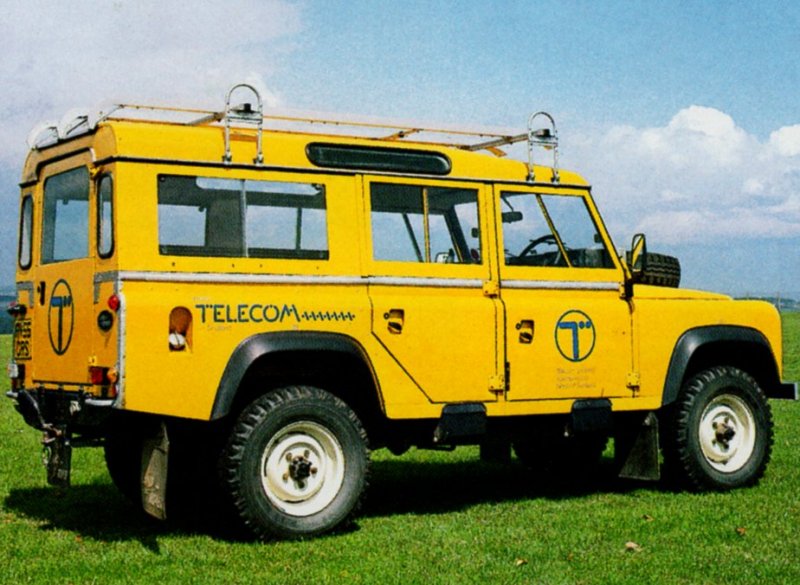
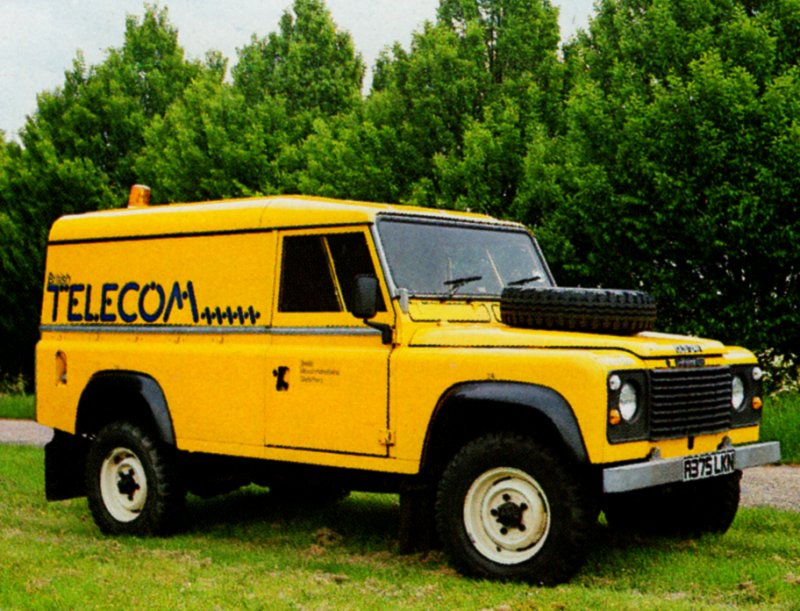
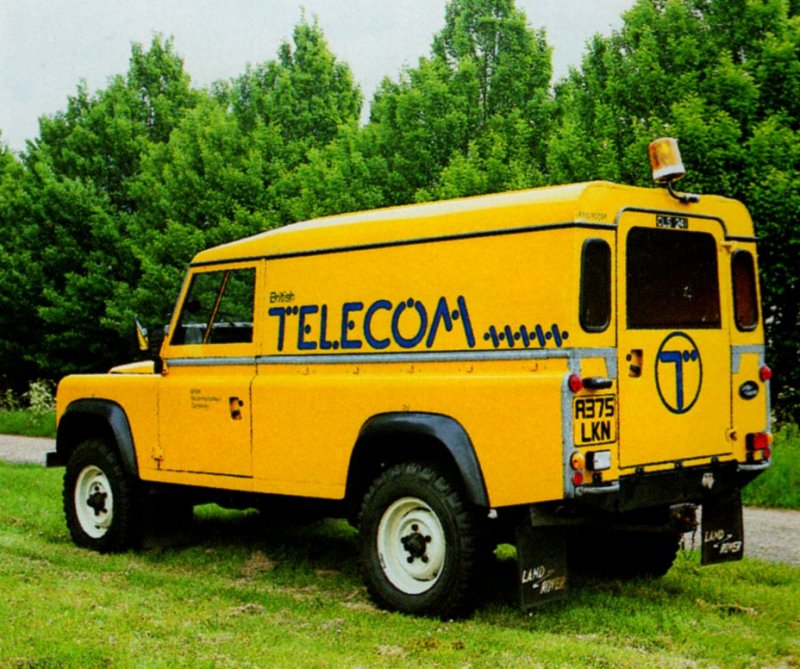
Hard top and station wagon |
| Body Builder |
|
| Use |
Various uses |
| Registration Number |
|
| Fleet Number |
|
| Date of picture |
|

Vehicle description
Robust construction, rugged four-wheel drive, excellent traction, good ground
clearance and non-rusting aluminium alloy body all combine to make these ideal
vehicles to use in adverse weather conditions and over rough terrain.
The Series 88 vehicles can carry driver and six passengers,
whilst the 11 Os, having a larger body, can carry driver and eleven passengers.
The passenger seating in the station wagons is more refined than that of the
hard tops.
With its large opening rear door, the body can serve many
diverse purposes. The Land Rover is particularly useful as a cabling vehicle,
with the optional front mounted capstan winch.
To add to its versatility, with an on road towing capacity of
2300kg for overrun braking trailer, high engine torque at low revs and a
selection of eight forward and two reverse gears, it is an ideal towing vehicle.
In their standard form the Land Rovers are fitted with a four
cylinder 2.25 litre diesel engine. Fuel tank capacity on the 88 series is 45
litres (10 gallons) and on the 110 series 79.5 litres (17.5 gallons). The mpg
figure for both vehicles is approximately 28.
Utilisation
These vehicles can be used for cabling, general purpose parties, aerial rigging,
power plant maintenance, conveyance of personnel and for towing trailers and
items of plant.
Optional extras
Pickup body
Trailer towing attachment (2300kg maximum)
Strengthened bulkhead
Second passenger seat in cab
Snowplough attachment
Winch (capacity - 1200kg mechanically driven from the engine or 2500kg
hydraulically driven from a gearbox PTO.
Codes
Series 110 - Hard top (code 619) and station wagon (code 629)
This is a long wheelbase variant (Both are pictured).
Series 88 - Hard top (code 620) and station wagon (code 628)
This is a short wheelbase variant (Not pictured).
| Weights (typical) Kgs |
88 SW |
88 HT |
110 SW |
110 HT |
| Front axle |
930 |
930 |
1200 |
1200 |
| Rear axle |
1190 |
1190 |
1850 |
1850 |
| GVW |
2120 |
2120 |
3050 |
3050 |
| GTW |
6120 |
6120 |
7050 |
7050 |
| Kerbside weight |
1542 |
1500 |
1073 |
1198 |
| Allowance for personnel (per person) |
75 |
75 |
75 |
75 |
| Payload |
503 |
620 |
1073 |
1198 |
| Taxation weight |
HGV (R) |
HGV (R) |
PLG |
PLG |
| Dimensions (Metres) |
88 SW |
88 HT |
110 SW |
110 HT |
| Wheelbase |
2.23 |
2.23 |
2.79 |
2.79 |
| Overall height (unladen) |
1.94 |
1.94 |
2.03 |
2.03 |
| Overall width (excluding mirrors) |
1.69 |
1.69 |
1.79 |
1.79 |
| Overall length |
3.62 |
3.62 |
4.58 |
4.58 |
| Body height (interior) |
1.23 |
1.23 |
1.22 |
1.22 |
| Body width (interior) |
1.43 |
1.43 |
1.62 |
1.62 |
| Body length (interior) |
1.10 |
1.10 |
1.90 |
1.90 |
| Track front (approx) |
1.31 |
1.31 |
1.49 |
1.49 |
| Track rear (approx) |
1.31 |
1.31 |
1.49 |
1.49 |
| Volume of body Cu Metres |
1.93 |
1.93 |
3.40 |
3.40 |
Delivery: 6 weeks
Economic service life: 10 years
Taken from the BT Motor Transport Guide March 1984
|