MORSE EQUIPMENT | ||||||||
|
Samuel Morse invented a signalling system of dots and dashes, which eventually became known as Morse code. The apparatus shown below was used to transit or receive Morse code and most were used by the GPO. Originally, to send and receive Morse code just required a sounder and tapper (key) at each end. The tapper sent the code and the sounder received the code. Both ends could not send at the same time. This was all manually operated with the receiving end writing down the message on paper. Technology moved on and paper tape was used to send messages in quick succession. A hand operated perforator was used, which used three buttons to punch Morse code into a paper tape. The punched tape was then placed in a transmitter and this machine would send Morse code to line. To receive the message at the distant end a perforator was used which converted the Morse Code into paper tape. This was followed by the Keyboard perforator which which had a keypad similar to a typewriter and the machine perforated the paper tape with Morse Code. TELEGRAPH EQUIPMENT - The early years in pictures.
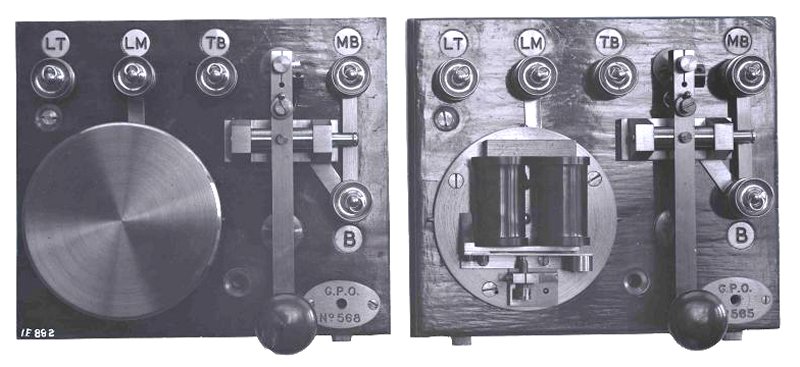
Key, Double Current, Reversing Key, 5 Terminal with switch
Key, Single current, 3 Terminal
Key, S.C. (Short Circuiting) with switch (8" x 4.5" x
2.75")
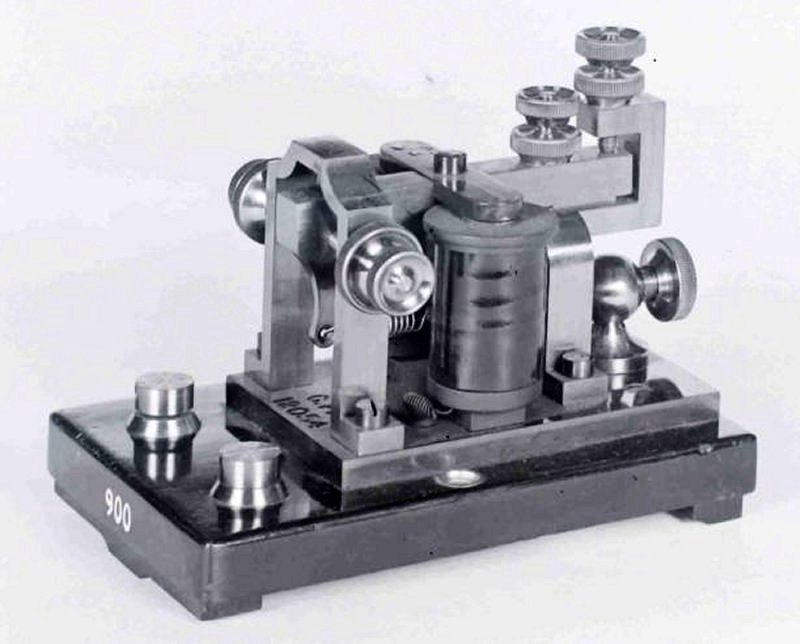
Sounder, 900ohms
Key, with vibrator sounder
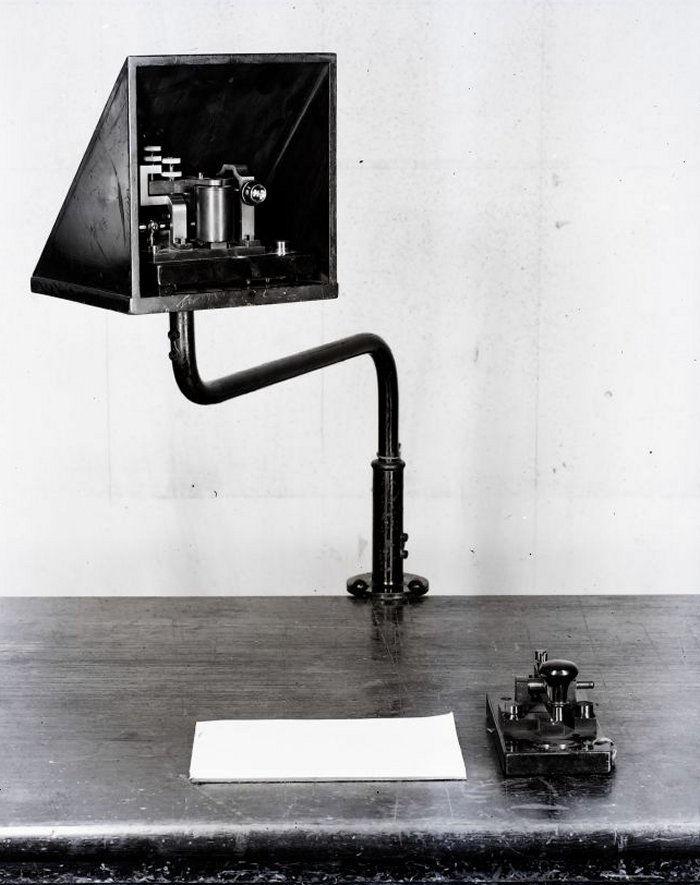
A Single Current key with a sounder, which is housed in a "Sounder, Screen, Adjustable"
Wheatstone hand perforator (Picture dated 1915)
Morse, Inker, Mechanical No. 1
Morse, Inker, Mechanical No. 2
Fuller Phone Mark 237 - used in World War 1 (Picture
dated 1915)
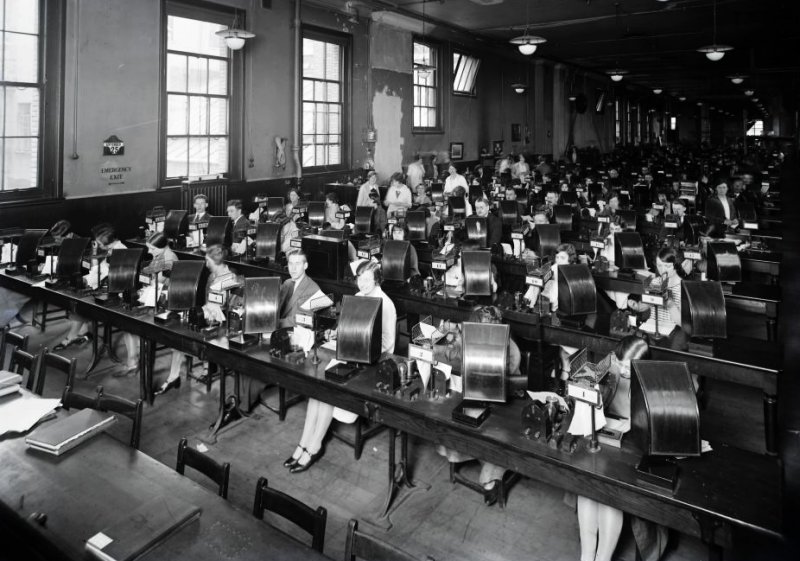
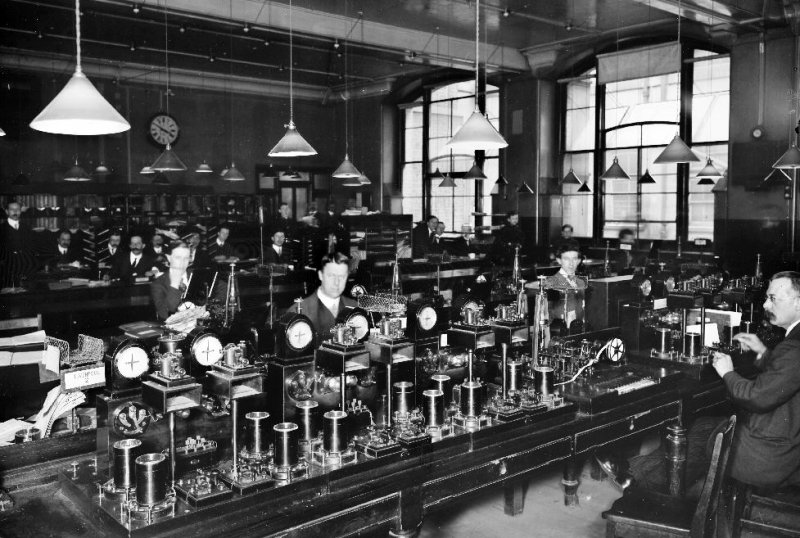
Morse equipment on 4th Floor of CTO (Picture dated 1922)
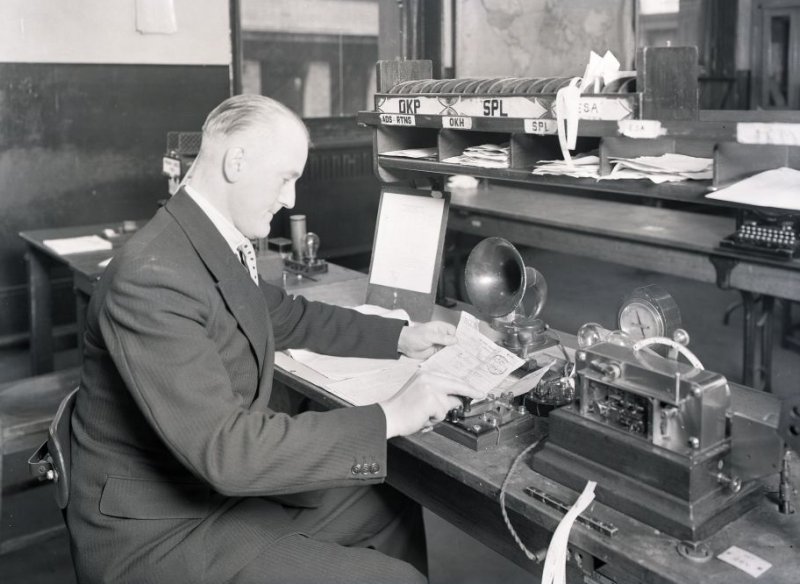
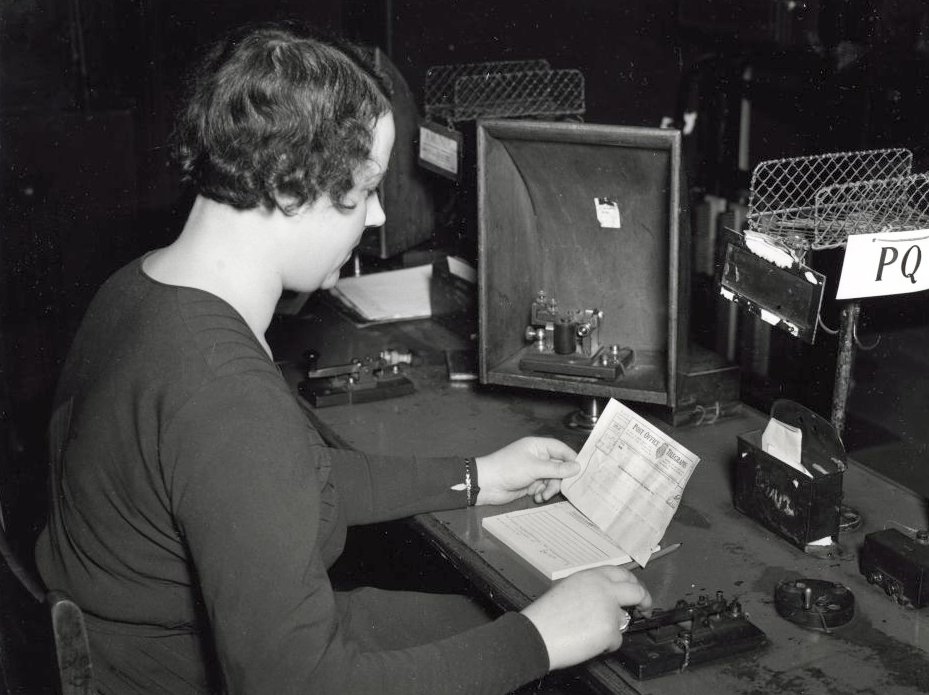
Morse in progress at the CTO (Picture dated 1934)
Morse operator at the Humber Radio Station (Picture dated 1969)
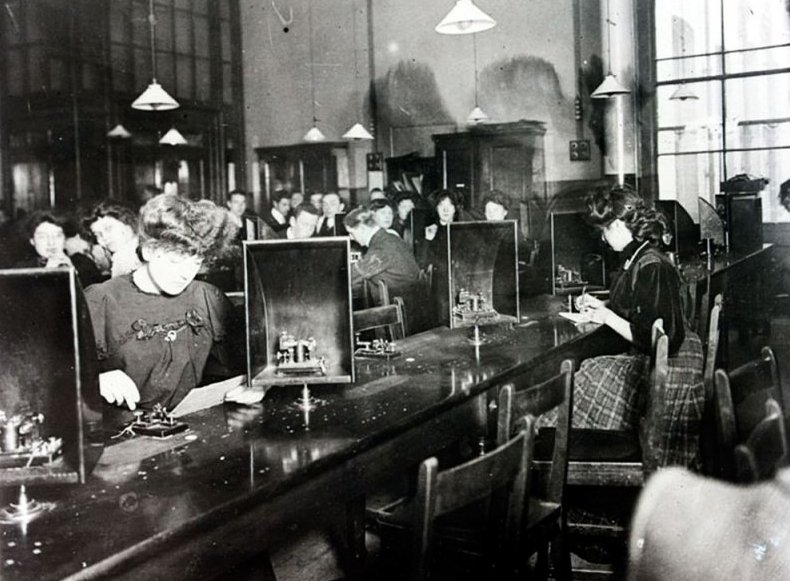
Morse school at the CTO (Picture dated 1912)
Morse staff at work in the CTO (Picture dated 1914)
Morse in progress at the CTO (Picture dated 1934)
|
||||||||
Last revised:FM2 | ||||||||